
The best accessible flooring is firm, slip-resistant when wet, and continuous from room to room, with no lips or loose edges to catch a foot, cane or wheel. For most South Sound homes that means luxury vinyl plank in living areas, textured tile in wet rooms and low-pile carpet only where you want softness. Our rain, fir needles and muddy boots from October to May make the wet-weather part matter even more here.
Why Think About Accessible Flooring Now?
Flooring tends to become a problem all at once. Polished hardwood can feel fine for years, then seem slick in every room once arthritis, a hip replacement or a new walker changes how you move. Swapping to a grippier surface and taking out the thresholds between rooms can make getting around the house much easier, and it’s simpler to plan before it becomes urgent.
What Does Accessible Flooring Do for You?
What good accessible flooring offers:
- Better traction when floors get wet
- Can reduce the risk of slips and trips
- Clearer edges for people with changing eyesight
- A consistent surface from room to room
- Easier cleaning
- Easier rolling for walkers and wheelchairs
- Less echo and noise
- More comfort underfoot
Planning tip: Flooring can be updated any time of year. We plan the work room by room so you can keep living in the house while it happens.
Which Waterproof Flooring Works Best in Northwest Homes?
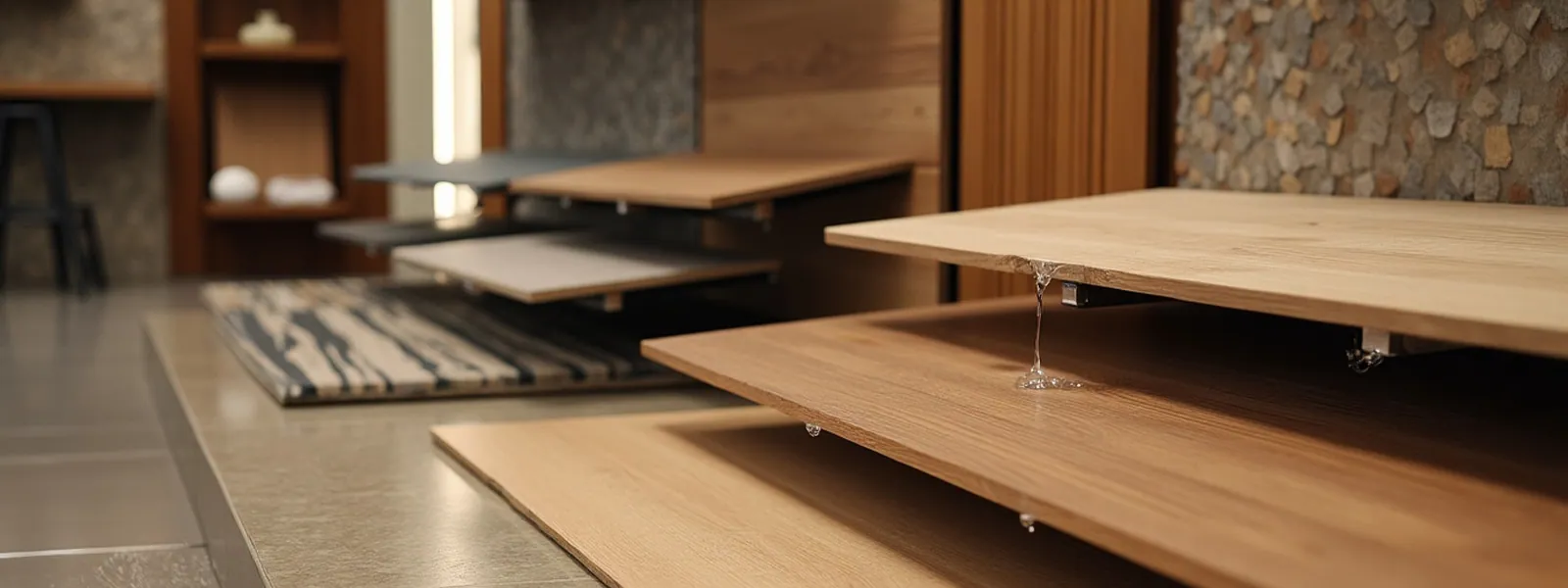
Luxury Vinyl Plank: Practical and Good-Looking
Luxury vinyl plank (LVP) is one of the most common accessible flooring choices we install. It handles water well, it’s softer and warmer underfoot than tile, and current products look a lot like real wood. In older homes, including Craftsman houses around Olympia, it can replace worn hardwood with a surface that has more grip and needs less care.
Why it suits Northwest homes:
- Very water resistant
- Warmer underfoot than tile in winter
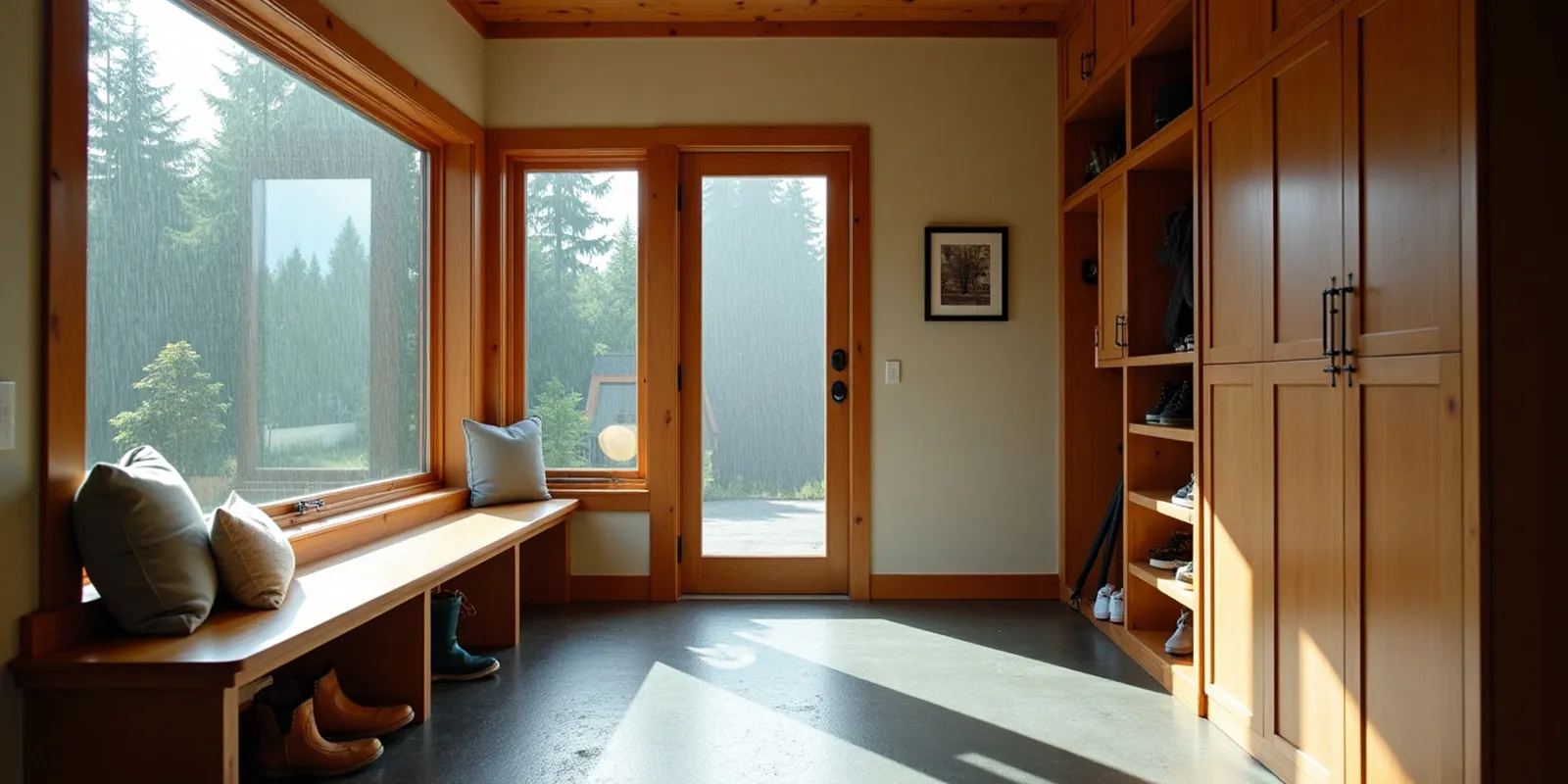
- Easy to clean after muddy paws and boots
- Comes in wood and stone looks
Installation tip: Vinyl planks usually need to sit in the house for a day or two before installation so they can adjust to indoor temperature and humidity. We follow the manufacturer’s acclimation instructions for the product you choose.
Slip-Resistant Tile: Made for Wet Areas
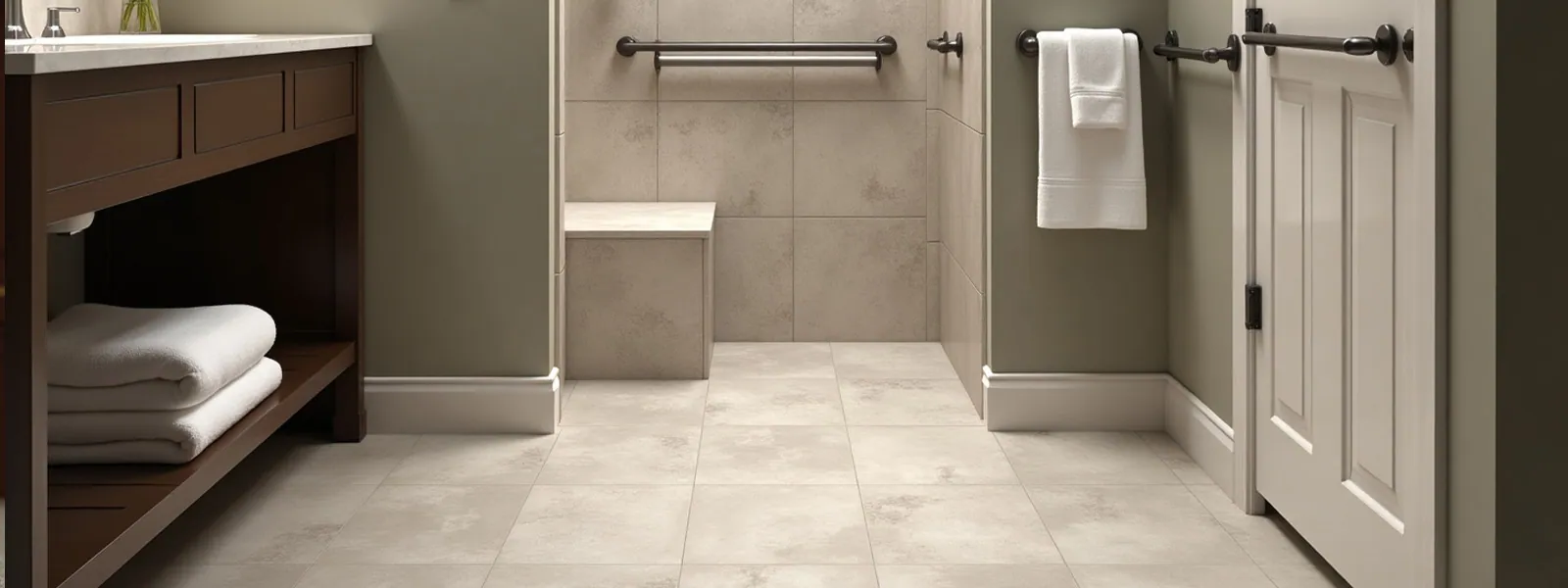
Bathrooms, entries and laundry rooms need flooring that grips when it’s wet. Textured or matte tile does that far better than polished stone or glossy porcelain, and it comes in plenty of good-looking finishes.
What to look for:
- A textured or matte surface for traction
- Smaller tiles in showers, where more grout lines add grip
- Compatibility with radiant floor heat
- Color contrast at edges and changes in level
| Flooring Type | Best For | Slip Resistance | Maintenance | Relative Cost |
|---|---|---|---|---|
| Luxury vinyl | Whole house | Very good | Low | Moderate |
| Textured tile | Wet areas | Excellent | Medium | Moderate to higher |
| Cork | Living areas | Good | Medium | Moderate to higher |
| Low-pile carpet | Bedrooms | Good | Medium | Moderate |
Is Carpet a Good Flooring Choice for Seniors?
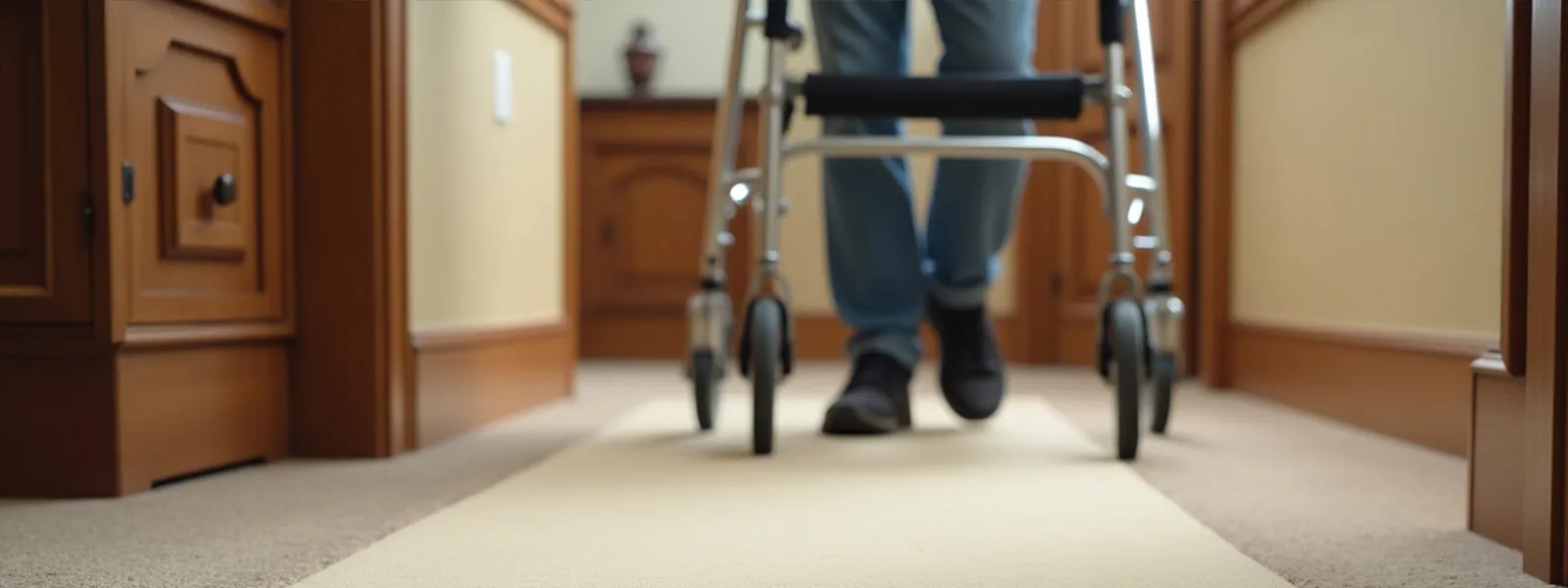
It can be, in the right rooms. Low-pile, dense carpet over a thin, firm pad is warm and quiet, and it’s softer if someone does go down. Thick, plush carpet is the problem: walkers drag in it and feet catch on it.
Where low-pile carpet works:
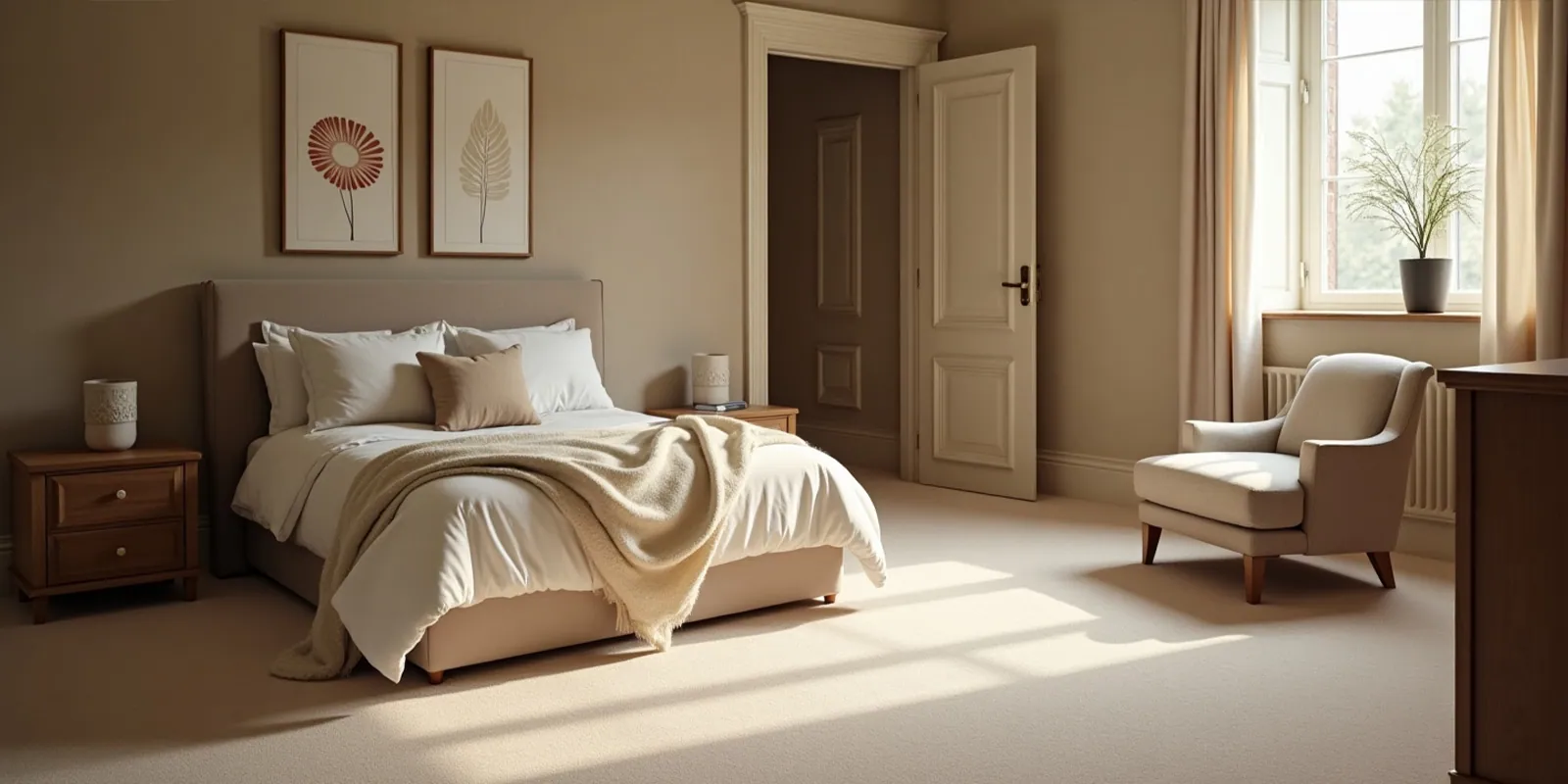
- Bedrooms, for warmth
- Living rooms, to cut noise
- Low-pile runners in transition spaces, secured flat
- Carpet tiles, which can be swapped out when stained
Design tip: Darker carpet near entries hides the mud that comes with Northwest living. If anyone in the house has vision changes, contrast between floor and wall colors makes room edges easier to see.
How Do You Maintain Accessible Flooring?
Moisture is the biggest enemy of floors in the Pacific Northwest, so good maintenance here is mostly about keeping water and grit off them. Our guide to Pacific Northwest water damage covers what to watch for.
Seasonal Care Checklist for Accessible Flooring
Fall:
- Put out extra mats for wet leaves and rain
- Make sure transition strips are tight
- Clean and seal grout before the wet season
- Look for summer sun fading
Winter:
- Use floor-safe ice melt near entries
- Keep entry areas swept and dry
- Watch indoor humidity if you have wood floors
- Check that heated floors are working
Spring:
- Deep clean salt and grit residue
- Look for signs of moisture damage
- Touch up finishes as needed
- Clean floor drains and thresholds
Summer:
- Shade floors from strong direct sun
- Reapply surface treatments where needed
- Check for loose or damaged pieces
- Deep clean carpeted areas
Daily Care by Flooring Type
Luxury vinyl:
- Sweep or vacuum
- Wipe up spills right away
- Use cleaners the manufacturer approves
- Watch for lifting edges
- Skip steam mops unless the manufacturer allows them
Tile:
- Sweep regularly
- Use pH-neutral cleaners
- Keep an eye on grout
- Dry wet spots quickly
Carpet:
- Vacuum high-traffic paths often
- Blot spills right away
- Use mats at entries
- Check for loose edges
Planning Your Accessible Flooring Project
Room-by-Room Priorities
Each room needs something a little different from accessible flooring:
- The most slip resistance you can get
- A color that hides dirt
- A tough surface
- Easy to clean
Living areas
- Comfort underfoot
- Less noise
- Easy to roll furniture and walkers across
- Warmth
Bathrooms
- Waterproof materials
- Strong grip when wet
- Flush transitions
- Sloped correctly toward drains
How Long Does Flooring Installation Take?
These are typical ranges once work starts. Subfloor repairs, moving furniture and material delivery can add time.
Typical durations:
- Vinyl in a single room: 1 to 2 days
- Whole-house flooring: 3 to 5 days
- Tile: 2 to 4 days per room
- Carpet: about 1 day for 2 or 3 rooms
How to Make Your Flooring Budget Go Further
Cost depends on the material, the square footage and what’s under the old floor. A consultation gets you a real number. These approaches help:
Ways to plan smart:
- Phase the work room by room
- Start where it matters most, like entries and bathrooms
- Choose low-maintenance materials
- Use one material across several rooms to avoid transitions
- Ask about floors that work with radiant heat
- Widen doorways while the floors are already torn up
Aging-in-Place Flooring Considerations
Flooring is one of the cheapest places to plan ahead for aging in place, because you’re replacing it anyway. A common example: a homeowner in their seventies redoes the floors for looks, and while they’re at it removes every threshold, picks a matte finish and adds contrast at the stairs. The room looks new now and still works later.
What to plan for:
- No thresholds between rooms where possible
- Even floor heights to reduce tripping
- Color contrast for changing eyesight
- Underlayment that adds a little cushion
- A surface that works with walkers and wheelchairs
Accessible flooring works best as part of a whole-house plan. Our team at Dickey’s includes a Certified Aging-in-Place Specialist (CAPS), a building and design credential from the National Association of Home Builders, and we can help you lay out a plan that grows with your needs. See our accessibility and aging-in-place remodeling page for more.
Accessible Flooring FAQ
Will non-slip flooring look institutional?
No. Slip-resistant flooring now includes matte tile in wood and stone looks, textured luxury vinyl and finishes that look like any other floor. Dickey’s helps you pick materials that suit the rest of your house, so the floor reads as a design choice, not a medical one.
How do I protect waterproof flooring from tracked-in rain and mud?
Use three layers at the door: a rough outdoor mat, a covered landing and an absorbent indoor mat. That catches most of the grit and water before it reaches the main floor. A covered entry helps the most in South Sound winters, and we can design one that suits your house.
Can I have heated floors with accessible flooring?
Yes. Tile and many luxury vinyl products work with radiant floor heat, as long as you follow the manufacturer’s limits. It’s especially nice in bathrooms and entries, where it helps wet floors dry faster and takes the chill off damp Northwest winters.
What’s the best flooring for someone using a wheelchair?
Firm, smooth hard surfaces with as few transitions as possible work best, and luxury vinyl plank is a common choice. Subfloor prep matters as much as the material: a flat, solid base keeps the floor from flexing and the wheels rolling easily from room to room.
How do you handle the transition between different flooring types?
We try to avoid height changes in the first place by planning subfloor heights. Where two floors do meet at different heights, we use low, beveled transition strips that walkers and wheelchairs can roll over and that are less likely to catch a toe.
Plan Your Accessible Flooring With Dickey’s
Accessible flooring is about a house that’s easier to live in, today and later. Dickey’s Remodel & Repair helps homeowners in Olympia, Lacey, Tumwater and across Thurston County choose and install flooring that grips, rolls and cleans well, whether you’re planning ahead or dealing with a change now.
We’ll be straight with you about which materials suit your rooms, what the work involves and how long it’ll take. The goal is floors you don’t have to think about.
Request a consultation and we’ll look at your current floors, talk through what you need and give you a clear quote that fits your home and budget.
Planning tip: A consultation during the rainy season shows us where water and grit actually come into your house, which tells us where to focus first.
This is general remodeling information, not medical advice. Talk to a healthcare professional or occupational therapist about your specific needs.