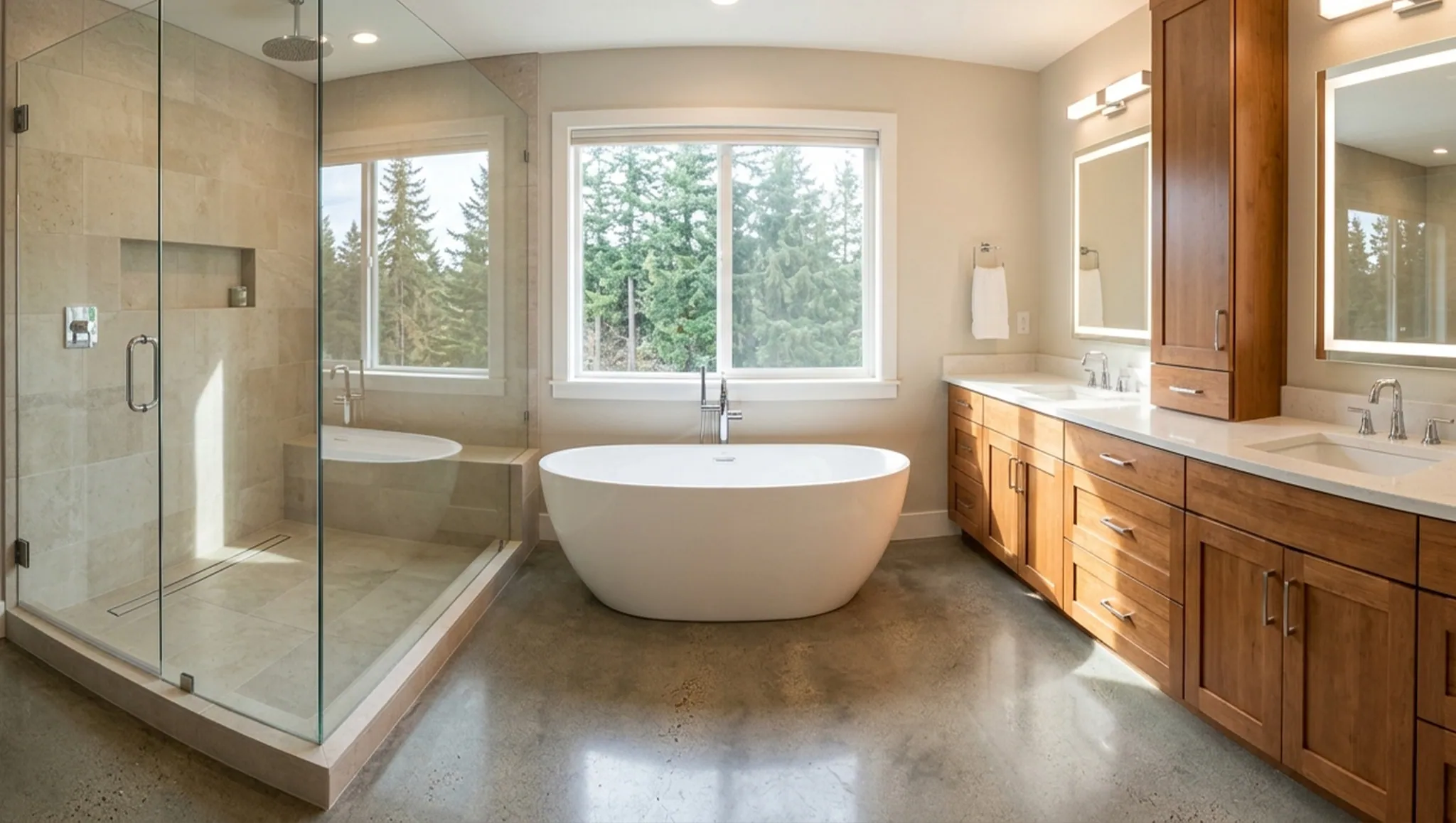
Most fall prevention at home starts in the bathroom: properly anchored grab bars, a shower you don’t have to step over, slip-resistant flooring and good night lighting can reduce fall risk for older adults. The need is real. According to the National Council on Aging, an older adult is treated in an emergency room for a fall about every 11 seconds.
Falls are the leading cause of injury and injury death for adults 65 and older, according to the CDC. In the South Sound those numbers aren’t abstract. They’re neighbors, parents and friends who want to keep living in the homes they love.
Why Do Falls Happen at Home, and How Can You Reduce the Risk?
Many falls happen inside the home, during ordinary routines. Icy walkways get the attention, but bathrooms are a common trouble spot, because wet surfaces and getting in and out of the tub or shower both happen in a small, hard space.
Why Bathrooms Are a Common Trouble Spot
A few things make bathrooms harder than other rooms:
- Wet tile and tubs are slick underfoot
- Stepping over a tub wall or shower curb means balancing on one foot
- Dim lighting makes nighttime trips harder
- Hard surfaces and fixtures leave little room for error
The encouraging part: most of these hazards can be reduced with changes that still fit the look of the room.
Grab Bars: A Small Change That Helps
Properly anchored grab bars are one of the simplest, most useful changes you can make to a bathroom. Fastened into framing or solid blocking, a grab bar gives steady support getting in and out of the tub, standing up from the toilet or steadying yourself in the shower. Grab bars are commonly designed to hold at least 250 pounds of force, but only when they’re anchored correctly.
What Does the Research Say?
Public health agencies and researchers point the same direction:
- CDC home safety guidance recommends grab bars inside the tub or shower and next to the toilet
- Research reviews have found home safety changes can reduce falls, especially for people at higher risk and when guided by an occupational therapist
- Grab bars only help if people use them, so placement and comfort matter as much as strength
Our Partnership With Thurston County Public Health
We’re honored to partner with the Population Health Program within Thurston County Public Health and Social Services (TCPHSS) on this issue. Through a grant from the Washington State Department of Health and the Department of Social and Health Services/Aging and Long-term Support Administration, we’re donating our time and expertise to install grab bars in qualifying Thurston County homes.
The partnership fits what we already do every day: making South Sound homes safer and easier to live in. Our team has completed 35 grab bar installations through the program to date, each one in the home of someone who wanted a little more support where they need it.
Why Does Professional Grab Bar Installation Matter?
Grab bars look simple, but a bar that pulls out of the wall is worse than none. Installing one well means:
- Anchoring into studs or solid blocking so the bar can carry real weight
- Placing it for the person’s height, reach and how they move
- Using the right anchors for each wall type, including tile and fiberglass surrounds
- Sealing every penetration so a shower wall stays waterproof
Dickey’s Remodel & Repair has been remodeling South Sound homes for more than 20 years, and our team includes a Certified Aging-in-Place Specialist (CAPS). That means we look at more than the bar itself. We think about how it fits the rest of the bathroom and how needs might change later.
What Is a Certified Aging-in-Place Specialist (CAPS)?
CAPS is a designation from the National Association of Home Builders (NAHB) for remodelers and designers who complete training in modifying homes for aging in place. It’s a building and design credential, not a medical or clinical qualification.
CAPS training covers topics like:
- Universal design principles for spaces that work for people of all ages and abilities
- Common changes that come with aging and how they affect everyday tasks at home
- Communication with older adults and their families
- Codes and guidelines that apply to accessibility modifications
- Products and materials made for accessible homes
- Home assessments to spot hazards and plan modifications
The point of the training is that accessibility changes are about independence and dignity, not just a checklist. Almost anyone can put up a grab bar. A CAPS remodeler also thinks about:
- How a person’s abilities might change over time
- Daily routines, and how changes can fit into them
- How modifications look in the home
- How easily the home can adapt later
Not every remodeler takes this training, so the CAPS designation is a useful thing to ask about when you’re hiring for aging-in-place work. For health questions, though, your doctor or an occupational therapist is the right person to ask.
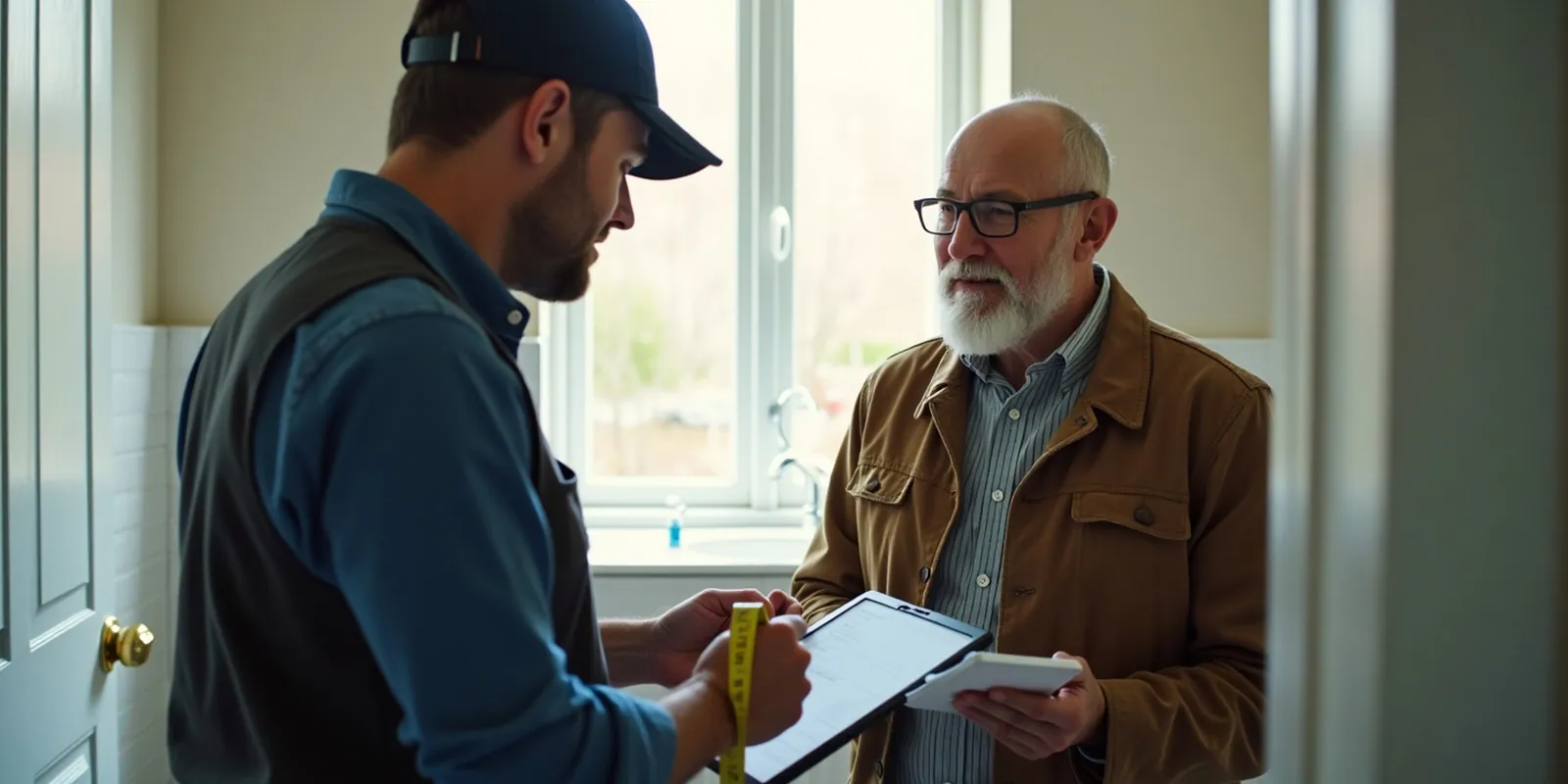
Beyond Grab Bars: Other Changes That Can Reduce Fall Risk
- Curbless or low-threshold showers with no ledge to step over
- Slip-resistant flooring with better traction when wet
- Brighter lighting throughout the bathroom
- Comfort-height toilets that make sitting and standing easier
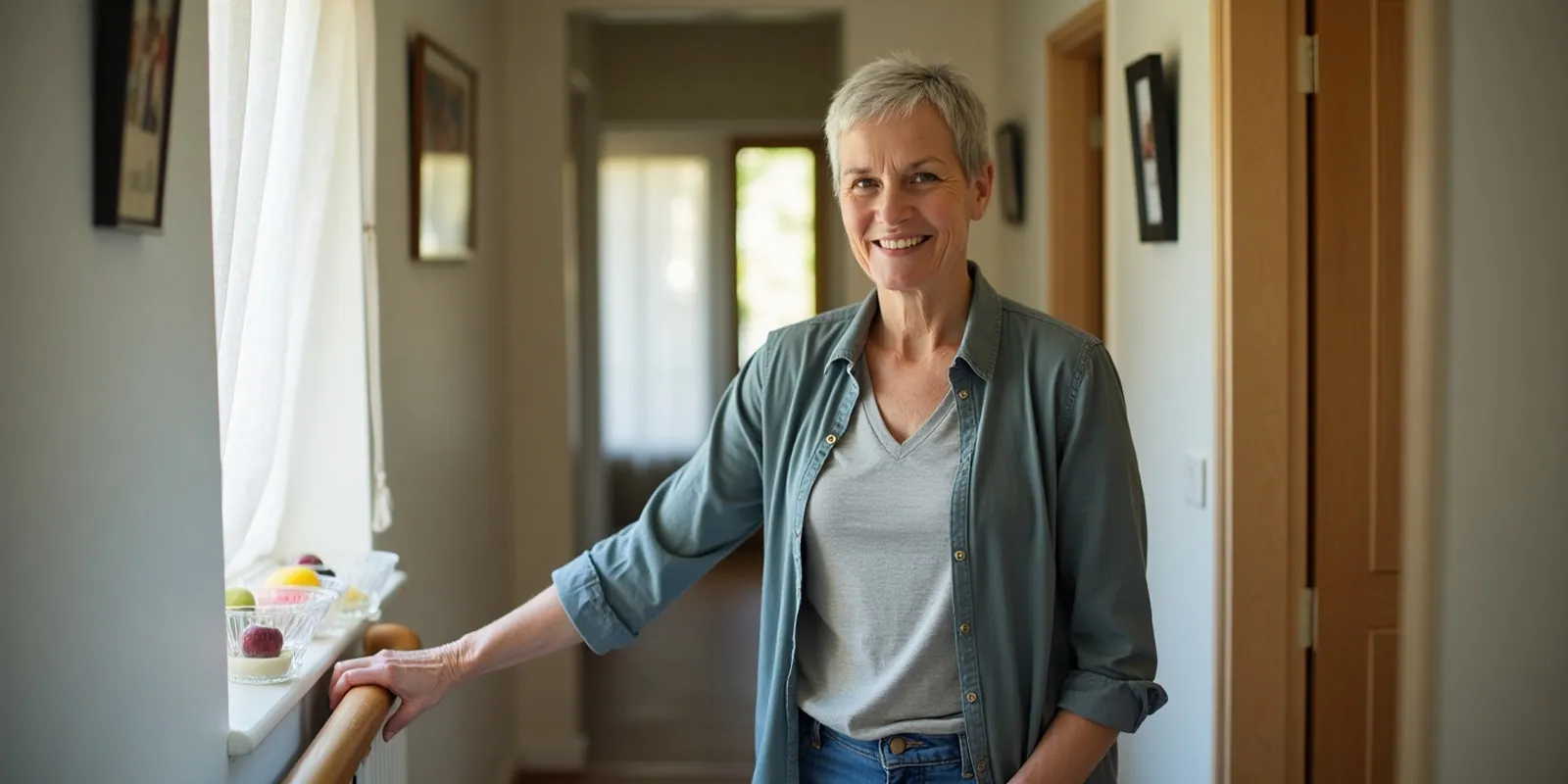
- Stair railings on both sides and better hallway lighting
- Lever door handles that need less grip strength
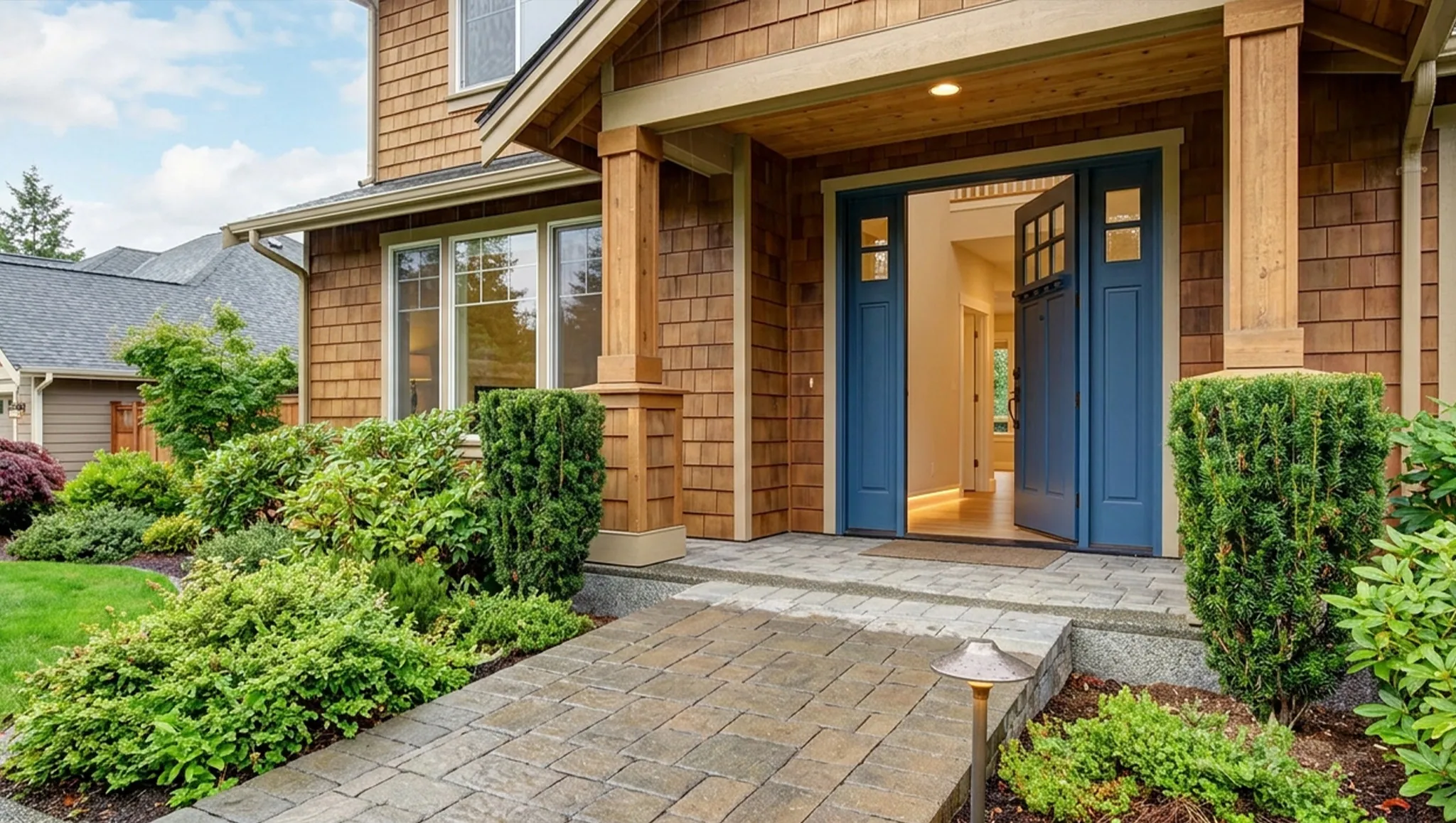
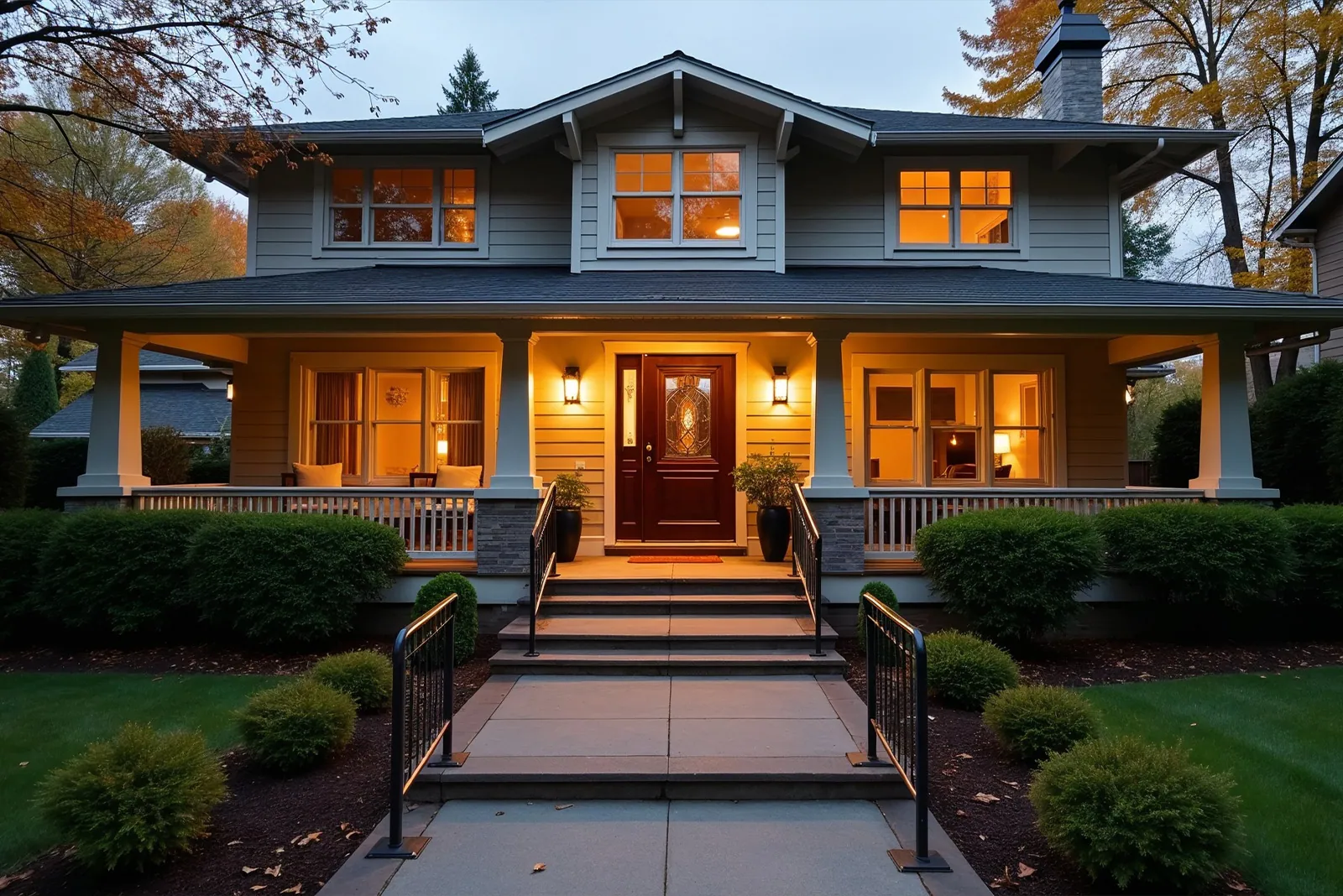
- Slip-resistant surfaces on outdoor walkways and entries
- Lighting aimed at steps and changes in level
- Ramps or steps with sturdy railings
- Covered, accessible entries that keep Pacific Northwest rain off the landing
- Motion-activated night lights along the path to the bathroom
Planning Ahead for Aging in Place
Most older adults say they’d like to stay in their own homes as they age. Thoughtful modifications can help make that more comfortable and practical, and staying in familiar surroundings matters to a lot of people.
Planning ahead is the key. Changes made before they’re urgent can be designed to fit your home’s style, and they’re usually easier and less disruptive. It’s also worth asking your doctor about a fall risk screening, since strength, balance, vision and medications all play a part. See our accessibility and aging-in-place remodeling page for the bigger picture.
For Healthcare Providers and Social Workers

If you work with older adults, you’re often the first to hear about a near-miss or a fall. A few topics worth raising during routine visits:
- Home hazards and whether a safety assessment makes sense
- Modification programs and resources in the area
- The difference between DIY fixes and professional installation
- Signs that modifications have become necessary
We welcome referrals and can share educational materials about home modifications. Our team can walk through a home and recommend changes from a building and design perspective, which works best alongside a clinician’s or occupational therapist’s assessment.
Resources and Next Steps
For the TCPHSS Grab Bar Program: If you or someone you know might qualify for free grab bar installation through the county program, contact the Population Health Program at phss_population_health@co.thurston.wa.us.
For accessibility remodeling: Dickey’s provides accessibility assessments and modifications throughout the South Sound, from a single grab bar to a whole-home aging-in-place remodel.
For healthcare providers: We offer educational presentations about home modifications. Contact us to schedule one for your team or to talk about referrals.
Fall Prevention and Grab Bar FAQ
Who qualifies for the free grab bar installation program through Thurston County?
Thurston County Public Health and Social Services sets the eligibility rules for its grab bar program, not Dickey’s. To find out whether you or a family member qualifies, contact the Population Health Program at phss_population_health@co.thurston.wa.us. If you don’t qualify, we can still install grab bars as a regular project.
Will grab bars make my bathroom look institutional or medical?
They don’t have to. Grab bars now come in finishes that match faucets and towel bars, like brushed nickel, matte black and bronze, and some double as towel bars or shelves. Placed thoughtfully, they blend in with the rest of the bathroom.
When is the right time to install grab bars? Should I wait until I really need them?
Earlier is better. Grab bars are easiest to add before anyone needs them urgently, and if you’re remodeling, adding blocking in the walls now makes it simple to put bars exactly where you want them later. Many people find them handy at any age, especially getting in and out of a wet tub.
Can’t I just install grab bars myself or have a handyman do it?
A grab bar has to hold your full weight if you slip, so anchoring is everything. Finding framing, using the right anchors for tile or fiberglass and keeping the shower wall watertight takes experience. Suction-cup bars are not designed to support body weight. We recommend having an experienced installer do it.
What other bathroom modifications should I consider besides grab bars?
Common next steps include a curbless or low-threshold shower, a built-in or fold-down shower seat, a handheld showerhead, slip-resistant flooring, a comfort-height toilet and brighter lighting with night lights. Together these can make bathing easier and reduce fall risk. A consultation helps sort out which changes matter most for you.
Moving Forward Together
Fall prevention is about more than one person’s safety. It’s part of a community where people can keep living confidently in their own homes. Grab bars, slip-resistant floors and well-lit paths each play a part.
The statistics are sobering, but education, practical home changes and community partnerships can help reduce fall risk for older adults across Thurston County.
If you’re worried about a family member, planning for your own future or working with older adults, help is available. Request a consultation with Dickey’s Remodel & Repair and we’ll look at the home, talk through what’s hard right now and give you a clear plan and quote.
Even one well-placed grab bar is a good place to start.
This is general remodeling information, not medical advice. Home modifications can reduce fall risk but can’t eliminate it. Talk to a healthcare professional about your specific needs and fall risk.