
The right aging in place contractor has hands-on experience with accessibility remodels, credentials you can check (a Washington contractor registration and, ideally, CAPS training), and the patience to learn how you actually live. Those things matter more than the lowest bid. This guide from Dickey’s Remodel & Repair covers what the qualifications mean, the questions to ask and the red flags we see most often around Olympia, Lacey and the rest of the South Sound.
Why Does Aging in Place Experience Matter?
Aging in place projects tend to go wrong in a predictable way. The contractor seems capable, but as the job goes on it becomes clear they have little experience with this kind of work. Details like grab bar height, door clearances or the slope of a ramp get rushed or skipped, even though those are the details you live with every day.
Fixing those mistakes usually means tearing out finished work, which costs time and money and adds stress. Picking someone with the right experience from the start avoids most of it. The best fit understands accessibility details and also knows how to adapt a Northwest home without losing what you like about it.
When you compare contractors, look for a track record of similar projects and familiarity with the house styles common here, from older Craftsman bungalows to 1990s two-stories. They should know local permit requirements and how to manage moisture in our wet climate, especially in bathrooms. If your home is older, ask how they handle older framing, plumbing and wiring.
Credentials add another layer. The CAPS (Certified Aging-in-Place Specialist) designation from the National Association of Home Builders shows a contractor has trained in designing and building for aging in place. Also confirm they’re registered and bonded as a contractor in Washington, have a local business address you can visit, and keep up with training through industry associations.
What Do Aging in Place Contractor Credentials Actually Mean?
CAPS is a building and design credential, not a medical one. The training covers how to plan layouts, clearances, fixtures and finishes that work for people with changing abilities, now and later. A CAPS remodeler isn’t a substitute for a doctor or occupational therapist, but a good one will build from an OT’s recommendations when you have them.
NAHB membership shows involvement in the home building industry and its standards. Washington requires contractors to register with the Department of Labor & Industries (L&I), which includes a bond and liability insurance, and you can look up any contractor’s status on the L&I website. Some contractors also have training in universal design, which applies the same thinking to homes that work at every age.
Certifications only tell part of the story. Local, hands-on experience matters just as much, because Northwest homes come with their own issues: managing moisture during construction, seismic considerations, and older houses that take care to modify without damaging their character.
A good contractor can talk through those issues in detail. Ask how they control moisture in a bathroom remodel, how they protect an open house during the rainy season, and what they’ve run into in older South Sound homes.

What Questions Should You Ask an Aging in Place Contractor?
Have a real conversation with each contractor before you decide. Their answers show how much they know and how they’ll work with you through what can be a big change.
Start with how they run a project. How do they assess your home at the first visit? How much input will you have during design? How often will you hear from them during construction, and who do you call when a question comes up?
Ask about scheduling in our climate. A contractor used to working in the South Sound should plan for rain delays on exterior work like ramps and entries, and give you realistic expectations instead of a best-case date.
Technical questions show depth. Ask about moisture control and ventilation in bathrooms, which materials they prefer for our climate and why, and how they plan for needs that may change. A good answer to that last one usually mentions wall blocking for grab bars, wider doorways and room for future equipment. Our post on fall prevention and professional grab bar installation shows why that blocking matters.
Finally, ask who will actually be on your job. Who’s the day-to-day lead? Which trades are subcontracted, and how are they managed? How do they adjust when weather or a material delay changes the schedule?
Quick checklist before you sign
- Look up their Washington contractor registration on the L&I website
- Ask whether anyone on the team holds the CAPS designation
- Get references from recent accessibility projects and call them
- See photos of finished aging in place work they built
- Get a written scope that names materials and fixtures
- Ask who your day-to-day contact will be
- Get their workmanship warranty terms in writing
How a Contractor’s Process Shows Their Priorities
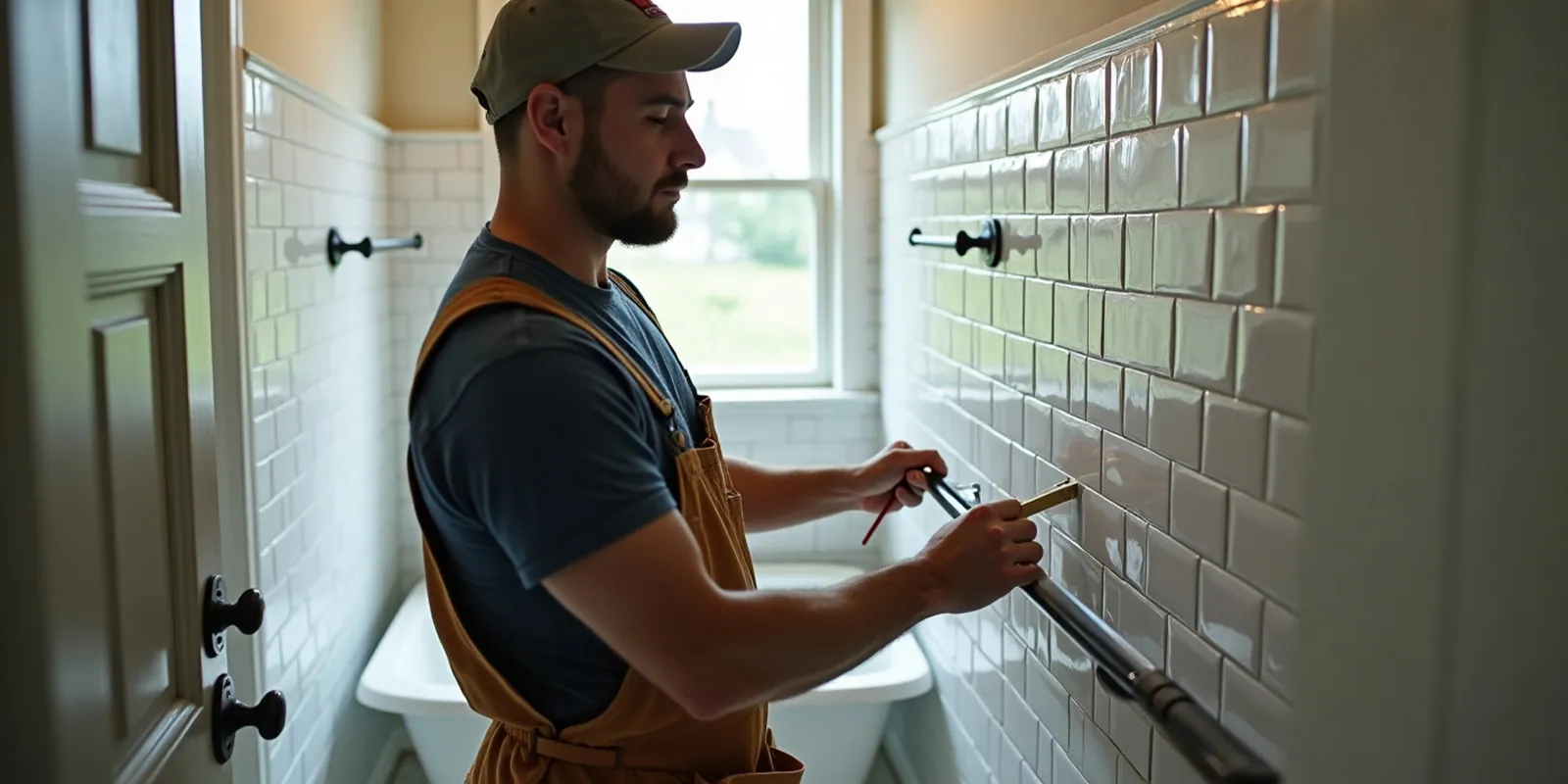
Good contractors can explain their process in plain language. Ask them to walk you through the first home assessment, and listen for whether they look at your needs and daily routines as well as the floor plan.
Design is where you learn the most about how they work. Do they listen and work your feedback into the plan? Do they explain the long-term trade-offs of different choices, like a curbless shower versus a low curb?
How they handle permits, scheduling and the final inspection shows their attention to detail. Ask what happens after the job is done, too. A contractor who plans to be around for warranty work and future changes has a stake in how the project holds up.
Pay attention to how they explain technical details. The right contractor uses plain language, takes time with your questions and never makes you feel rushed.
Red Flags When Hiring an Aging in Place Contractor
Be careful with contractors who treat aging in place work as a quick add-on, like a grab bar screwed into drywall with no blocking behind it. If they can’t show you similar local projects or don’t seem to know how Northwest homes are built, keep looking.
Pressure to sign quickly and no recent references are warning signs too. Accessibility work is a real investment that you’ll live with for years, so it deserves time.

Making Your Final Decision
Set realistic timeline expectations. As a general guide, a bathroom update often takes three to four weeks, kitchen modifications four to six weeks, and whole-home adaptations six weeks or more, depending on scope. Exterior work like ramps and entries can be slowed by our weather.
On qualifications, CAPS training is a strong foundation, but hands-on accessibility experience and knowledge of Northwest construction matter just as much. Look for patience and clear communication, too. You’ll be working with this person for weeks, in your home.
Price matters, but experience should carry more weight than the lowest bid. A low bid often leaves out details accessibility work needs, like wall blocking, proper shower slopes or wider door framing, and those come back later as change orders or fixes.
A good contractor welcomes your input and is honest about what’s possible. Expect regular updates and someone who answers your questions throughout the project.
This is general remodeling information, not medical advice. Talk to a healthcare professional about your specific needs.
Aging in Place Contractors: Frequently Asked Questions
How long do aging in place projects take?
It depends on scope. As a general guide, a bathroom update often takes three to four weeks, kitchen modifications four to six weeks, and whole-home adaptations six weeks or more. Exterior work like ramps and entries can be delayed by Northwest weather. A good contractor will give you a schedule for your specific project before work starts.
What qualifications matter most for an aging in place contractor?
Look for hands-on experience with accessibility projects, a current Washington contractor registration, and ideally the CAPS designation from the National Association of Home Builders. CAPS is a building and design credential, not a medical one. Beyond credentials, choose someone who knows Northwest home construction and communicates clearly and patiently.
How can I check a contractor’s experience?
Ask for references from similar accessibility projects, ideally recent and local, and actually call them. Look up the contractor’s registration, bond and insurance status on the Washington State Department of Labor & Industries website. Ask to see photos of finished aging in place work, and ask whether anyone on the team holds the CAPS designation.
Should I just choose the lowest bid?
Not on price alone. Experience with accessibility work and Northwest construction should carry more weight. Lower bids often leave out details like wall blocking for grab bars, proper shower slopes or wider door framing, which show up later as change orders. Compare bids line by line so you know each one covers the same scope.
How involved should I be in the project?
As involved as you want to be. A good contractor welcomes your input on design and selections, gives you regular progress updates and stays available for questions. You should have one clear point of contact. When a decision needs your input during construction, they should explain the options and give you time to decide.
Finding the Right Contractor for Your Home
The right aging in place contractor helps you stay in a home you love, with changes that make daily life easier and still feel like your house. Take the time to check experience, credentials and how well they understand Northwest homes.
Dickey’s Remodel & Repair is an Olympia remodeler with a Certified Aging-in-Place Specialist (CAPS) on the team, serving Lacey, Tumwater and the South Sound. Request a consultation to go over your home, or read more about our accessibility and aging-in-place remodeling. If you’re still deciding whether to adapt your current house at all, read our post on renovating your forever home in Western Washington.