A covered deck is the simplest way to keep using your outdoor space through an Olympia winter. A solid roof, good drainage and decent lighting turn a deck you use three months a year into one you can sit on in February with a cup of coffee while it rains. At Dickey’s Remodel & Repair, we design and build covered decks for homeowners in Olympia, Lacey, Tumwater and across the South Sound.
This guide covers what actually matters here: roof pitch and drainage for our rain, materials that hold up in the damp, lighting for short winter days, timelines and permits. It’s written from the builder’s side, so the trade-offs are included.
Why Add a Roof to Your Deck?
An open deck in the South Sound usually runs on a short calendar. The furniture goes out in May and comes back in by October. The rest of the year, the deck is mostly something to look at through the window and scrub moss off of.
A roof changes how often you use it. With cover, lighting and a heat source, the same deck works for morning coffee in the rain, dinner with friends on a damp evening, or just sitting outside without getting soaked. Your furniture and deck boards get a break from the constant wet, too.
It’s still outdoors, which is the point. You get fresh air and the sound of rain without the cold drip down your collar. If you’re weighing a covered deck against a patio or a fully enclosed room, our guide to decks, patios and covered spaces in Lacey compares the options.
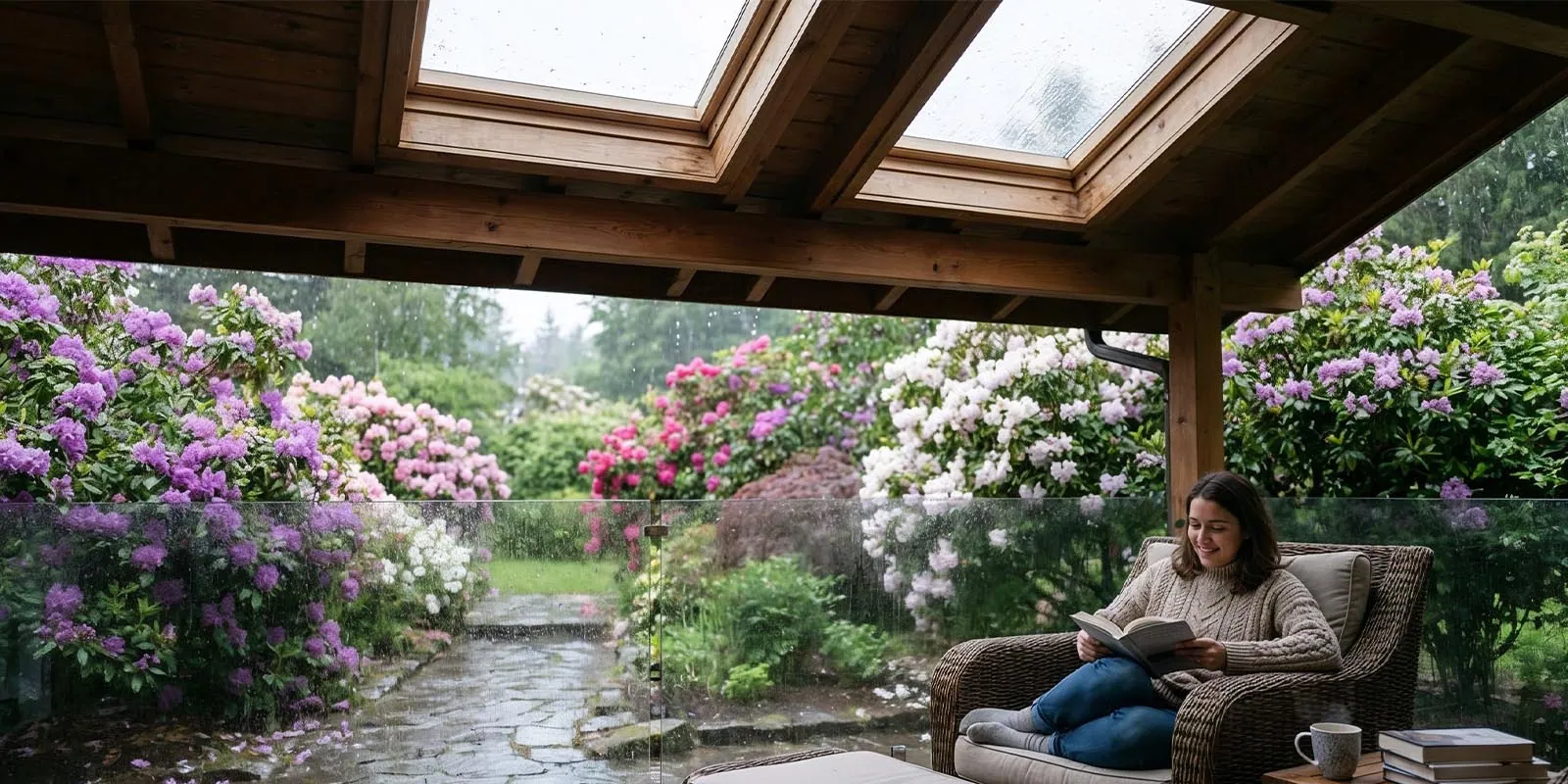
How Do You Design a Covered Deck for Northwest Weather?
Design for rain first, then wind, then the occasional snow. Western Washington weather runs from steady drizzle to sideways downpours, and a few times a winter it snows. A covered deck that works here keeps water off the people, off the framing and away from your house.
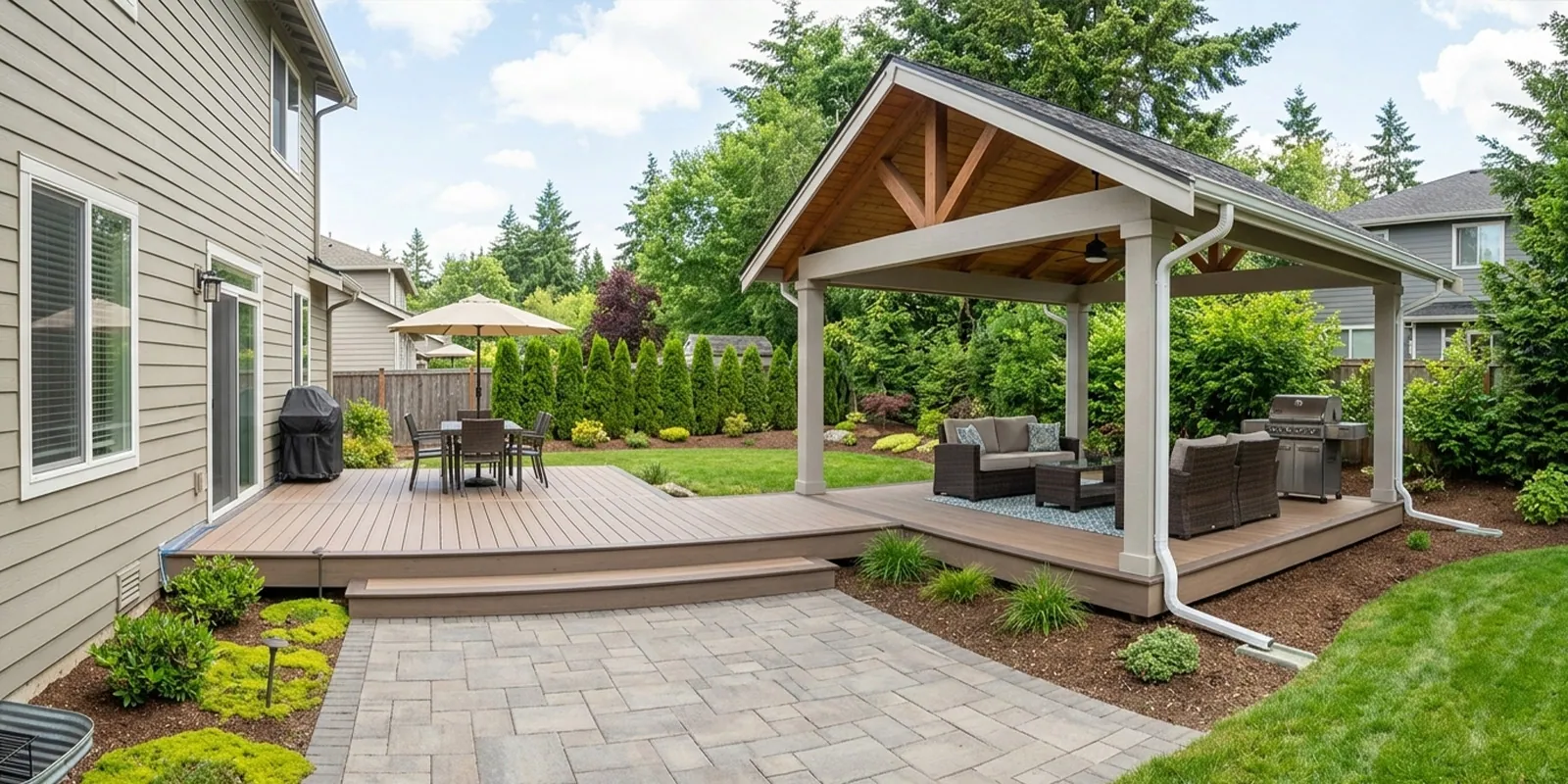
The roof does most of that work. It needs enough pitch to shed water fast, overhangs deep enough to block wind-driven rain, and gutters and downspouts sized for heavy bursts, with somewhere sensible for the water to go. The framing has to be designed for local snow loads, which the permit review checks. The spot where the new roof ties into your house matters most: a poor flashing job there can leak into a wall for years before anyone notices.
A solid roof can make the deck, and the rooms behind it, darker. Skylights or translucent roof panels solve most of that by letting daylight through on grey days while keeping rain out. Decide early, because adding skylights later means opening the roof back up.
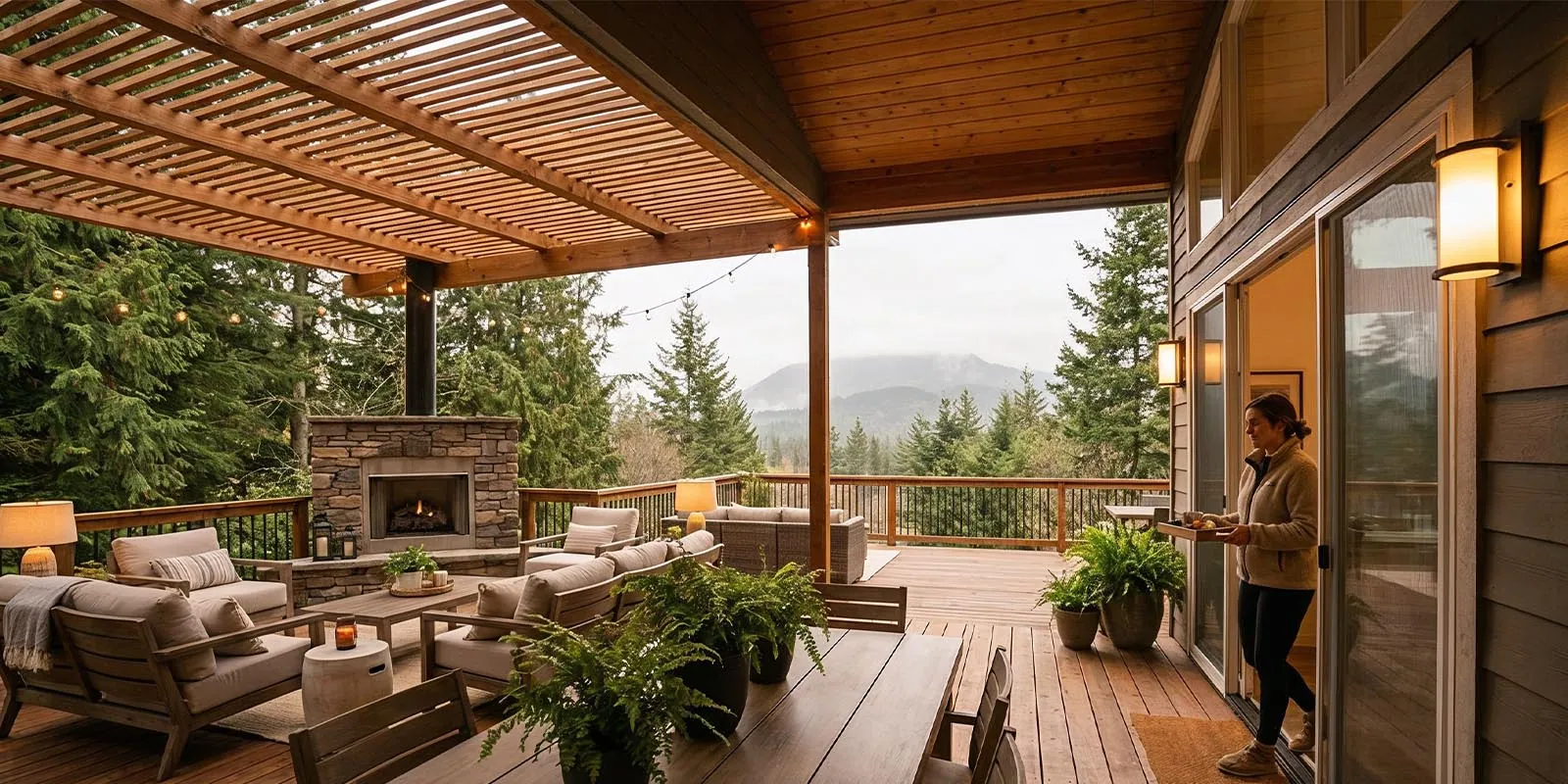
Cedar or Composite: Which Decking Works Here?
Pick decking based on how much upkeep you want to do. Cedar looks warm and natural and suits Northwest homes, but in our wet climate it needs regular cleaning and sealing, and it wears out sooner. Composite costs more up front, needs far less maintenance, and generally lasts longer.
A roof helps either one. Covered boards stay drier, so cedar under a roof holds up better than cedar in the open. Composite can still grow mildew on shaded, damp decks, but it cleans up more easily, and newer composite lines look much less like plastic than early versions did.
Be honest about your weekends. If you like real wood and don’t mind a maintenance day or two each year, cedar is a good choice. If you’d rather never think about stain again, go composite. For layout and style ideas, see our post on custom deck design ideas for Olympia homes.

What Does a Covered Deck Add to Your Home?
The obvious benefits are practical. You stay dry, you get some shelter from wind, and you can use the deck most of the year instead of a few months. What surprises a lot of homeowners is how often they end up out there once weather stops being the deciding factor.
A covered deck works like an extra room that’s partly outside. Coffee outdoors in November becomes normal. Friends can stay out after dark in a light rain. Kids and dogs have somewhere to go on a wet afternoon that isn’t the living room.
There are practical returns too. You add usable living space without building a full addition, your outdoor furniture lasts longer out of the weather, and the deck surface sees less water. It’s a real project, but usually a smaller one than enclosing the space or building on.
What affects the cost of a covered deck?
Every covered deck is priced on its own details, so we don’t publish numbers. These are the things that move the price most:
- Size, and whether it’s a new deck or a roof over an existing one
- Whether existing deck framing can carry a roof or needs reinforcing
- Roof style and material: metal, shingles to match the house, or translucent panels
- How the roof ties into your house
- Decking, railings and stairs
- Electrical for lights, fans or heaters, plus any fireplace
- Site conditions like slope, access and soil
A consultation is the quickest way to get a real number for your home.
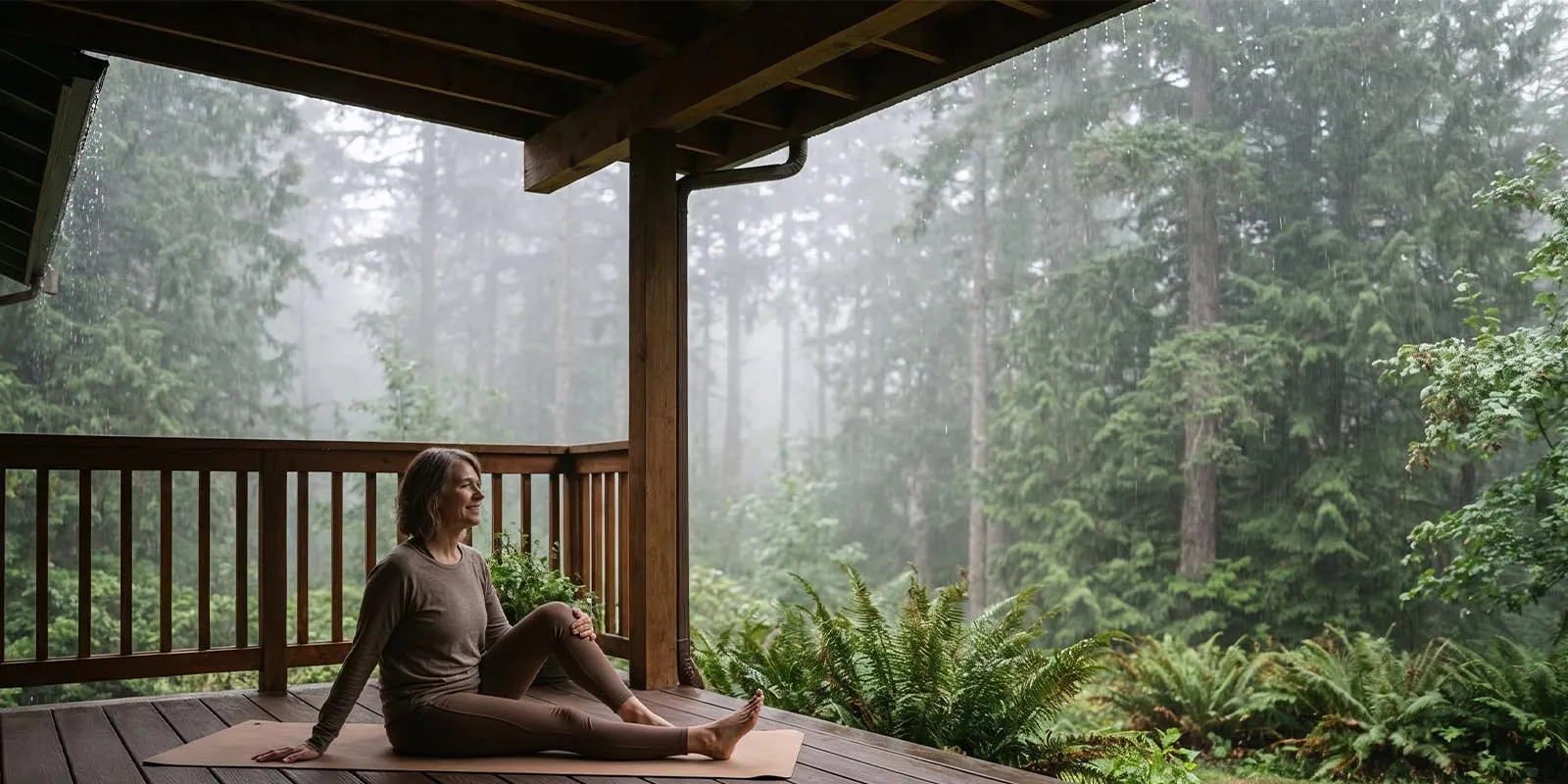
Planning Your Covered Deck Project
Start with how you’ll use it. A quiet coffee spot and an outdoor living room with a fireplace and a dining table for eight need very different sizes, roof heights and wiring. Decide how much maintenance you’re willing to do as well, since that drives the material choices.
Most covered deck projects in our area take about three to six weeks of construction, and weather can push that out. Late spring through summer is the most predictable building season. Fall and winter builds are possible with the site protected, but expect a few rain days on the schedule.
For the roof, the main choice is daylight versus full cover. Standing seam metal is durable, sheds rain fast and suits Northwest homes. Polycarbonate panels let in more light and still handle heavy rain, though they’re louder in a downpour and show dirt and fir needles. Shingles that match the house are another option, but they need more pitch than metal.
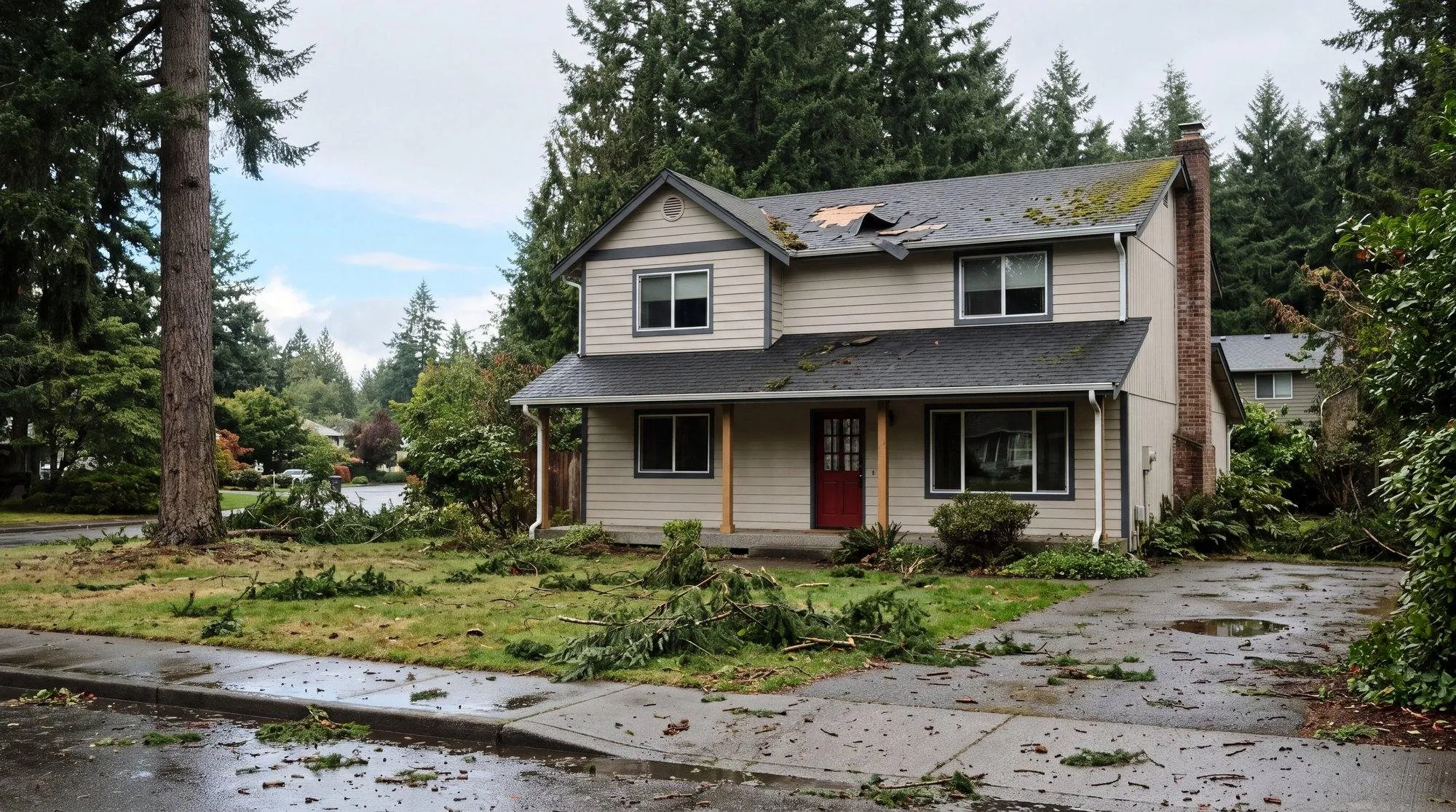
Moisture is the main long-term risk, and it’s manageable. Leave airflow under the deck and in the roof framing, slope surfaces away from the house, flash the ledger and roof connections properly, and use rot-resistant framing with corrosion-resistant fasteners. Then clean gutters and check for soft spots every fall. Our Pacific Northwest water damage guide covers the warning signs.
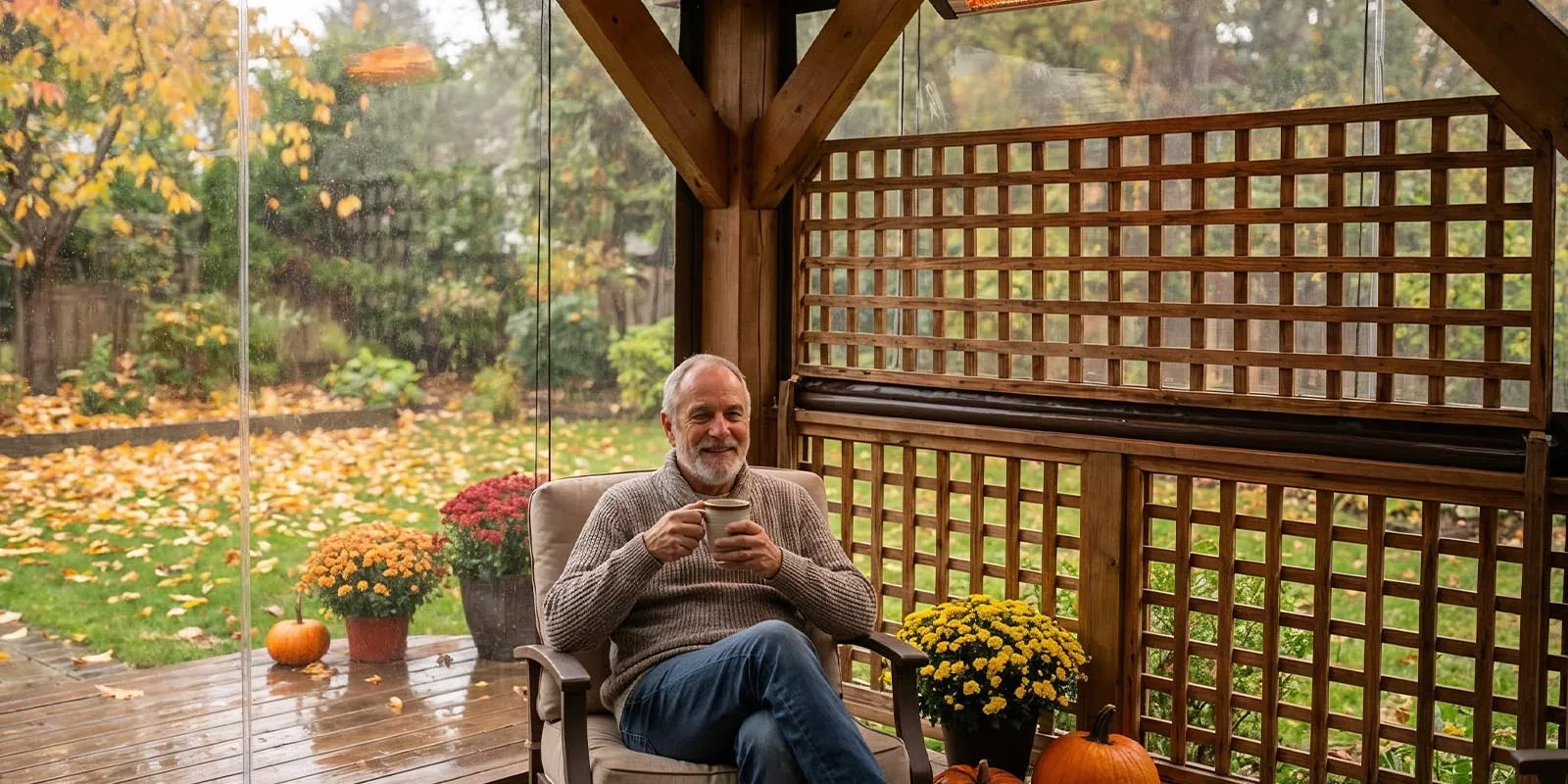
Getting Year-Round Use From a Covered Deck
The covered decks that get used most are planned around real habits, not a photo. Think about where the winter sun sits, which way the wind comes from, and how you’ll get from the kitchen to the table carrying a full tray.
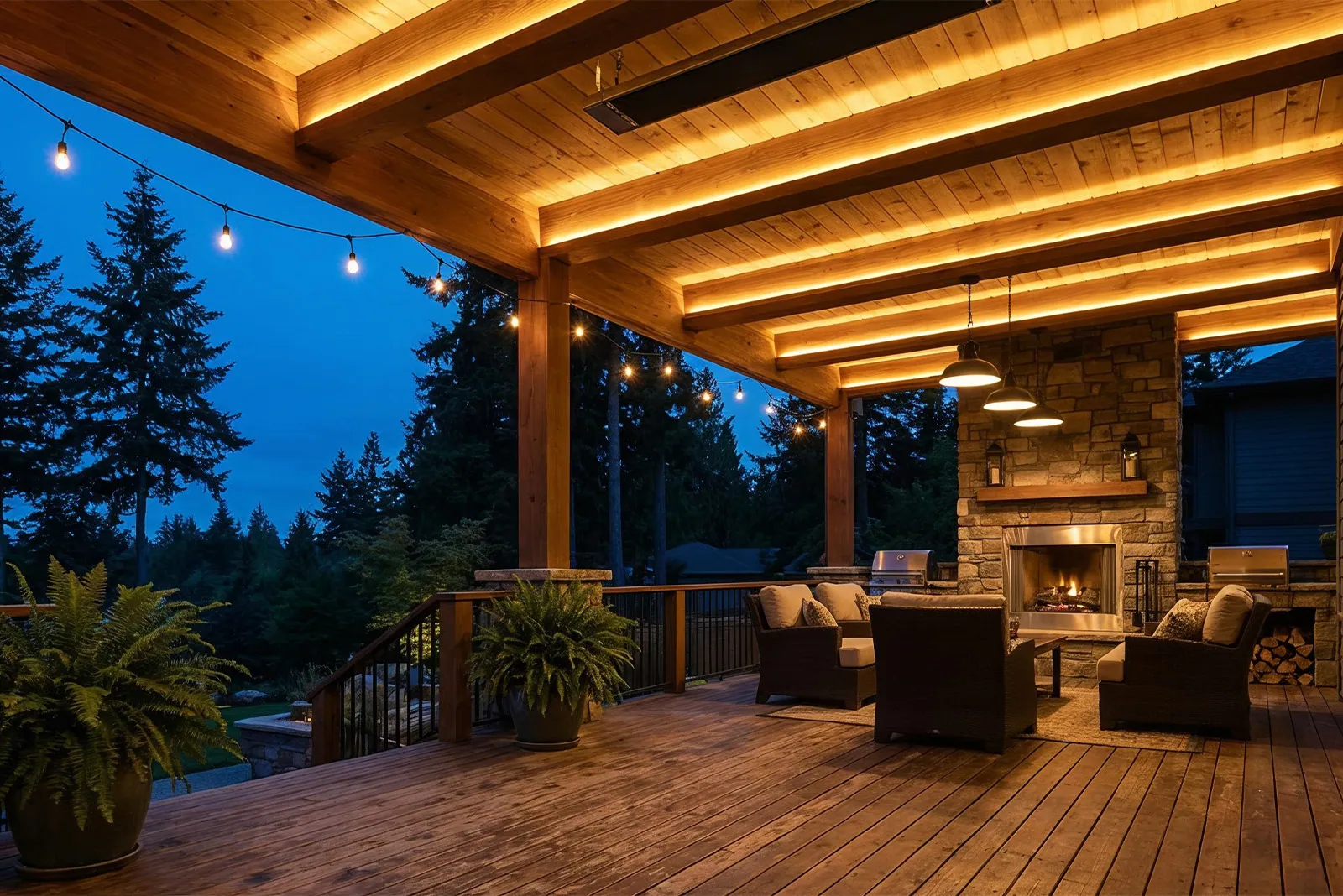
After the roof, heat and light make the biggest difference. A heater or fireplace rated for covered outdoor use stretches the season into winter evenings, and good lighting matters when it’s dark by five in December. Plan the wiring before the ceiling goes up, since adding it afterward is harder and costs more.
If you can, look at a few covered decks in person, ideally on a rainy day. Seeing how much rain blows in under a given overhang, or how bright a polycarbonate roof feels in winter, makes the choices a lot clearer.
Built well, a covered deck lets you use your yard in the weather we actually have, not just the few dry weeks of summer.
Frequently Asked Questions About Covered Decks
How long does it take to build a covered deck?
Most covered decks in the South Sound take about three to six weeks to build, and weather can add time. Late spring through summer is the most predictable season. Permit review happens before construction starts, so plan ahead if you want to build in summer.
What roof material should I use for a covered deck in the Northwest?
Standing seam metal and polycarbonate panels are both strong choices here. Metal is very durable and blocks light and rain completely. Polycarbonate lets daylight through on grey days. Both shed heavy rain well when the roof has enough pitch and properly sized gutters.
Can you really use a covered deck year-round in Western Washington?
Yes, if it’s designed for it. A roof with deep overhangs, good lighting and a heater or fireplace makes a covered deck comfortable on most winter days. On the coldest, windiest nights you’ll still want to be inside, and side screens or wind panels can stretch use further.
How do you prevent moisture problems on a covered deck?
Keep air moving, keep water moving away from the house, and inspect every fall. That means ventilation under the deck and in the roof framing, properly flashed connections to the house, sloped surfaces, clean gutters and rot-resistant materials. Catching a soft board or a drip early keeps a small fix from turning into a structural repair.
How should you light a covered deck for dark winter months?
Use layers: overhead or recessed LED fixtures for general light, task lighting over cooking or dining areas, and softer string or accent lights for evenings. Skylights or translucent roof sections bring in daylight, which matters on short December days.
Plan Your Covered Deck With Dickey’s
A covered deck is a practical way to get more use out of a South Sound home, because it makes the yard usable in the weather we actually get. Getting the roof, drainage and house connection right is what makes it last.
Dickey’s Remodel & Repair designs and builds covered decks for homeowners in Olympia, Lacey, Tumwater and across Thurston County. Request a consultation and we’ll look at your site, talk through how you want to use the space, and give you a clear quote. You can also see more of our outdoor living services.
Planning tip: if you want to build in late spring or early summer, start planning in fall or early winter. Most covered decks need a building permit, and requirements and review times vary between Olympia, Lacey, Tumwater and Thurston County.