What Is a European Style Kitchen?
The defining features
A European style kitchen is built around frameless, flat-front cabinets, minimal hardware, integrated appliances and storage that’s organized inside the cabinets instead of on the counters. The look is clean and simple, and the point is function: everything has a place and is easy to reach. Dickey’s Remodel & Repair builds European style kitchen remodels for homeowners in Olympia, Lacey, Tumwater and across the South Sound.
Where the style comes from
The style draws on German, Italian and Scandinavian kitchen design, which puts a lot of thought into ergonomics: deep drawers instead of base cabinet doors, appliances at a comfortable height, and work zones laid out in a logical order. Good materials matter, but the planning matters more.
How it differs from a traditional American kitchen
Traditional American kitchens usually have face-frame cabinets, raised or recessed panel doors, decorative trim and a wider mix of materials. European style kitchens keep the materials and lines consistent, hide appliances behind cabinet panels, and often open straight into the living area.
| Feature | European style (frameless) | Traditional (face-frame) |
|---|---|---|
| Cabinet box | No face frame, full access | Wood frame on the front |
| Doors | Full overlay, usually slab | Raised, recessed or inset panels |
| Hardware | Slim, hidden or none | Decorative knobs and pulls |
| Appliances | Often panel-ready and integrated | Usually visible |
| Installation | Needs flat, level walls and floors | More forgiving |
Why homeowners choose a European style kitchen
People choose a European style kitchen because it’s easy to keep clean and uncluttered, it makes good use of a smaller footprint, and the look ages well. Drawers that pull all the way out are also easier on your back than reaching into the back of a low cabinet, which matters more as the years go by.
Why Cabinet Accessories Matter in a European Style Kitchen
Accessories keep the clean look working
A minimal kitchen only stays minimal if everything has somewhere to go. Cabinet accessories are what make that possible. Without them, the clutter that used to sit on the counter just moves into a jumbled drawer.
The practical payoff
Inserts, dividers and pullouts put specific items in specific spots. You open one drawer for pots and lids, another for spices, another for knives. It saves steps and time every day, and it means you can actually find the thing you need.
Popular accessories
These are the accessories homeowners ask for most:
- Deep pullout drawers for pots, pans and lids
- Drawer dividers for utensils and cutlery
- Pullout spice racks
- Knife blocks and cutting board slots built into drawers
- Trash and recycling pullouts
- Lazy Susans or pullouts for corner cabinets
Fitting storage to how you cook
The best accessory plan starts with an inventory of what you own and how you cook. A baker needs places for sheet pans and mixers. A family that cooks every night needs a pots-and-pans drawer next to the range. We work through that list with you so the storage fits your kitchen, not a catalog page.
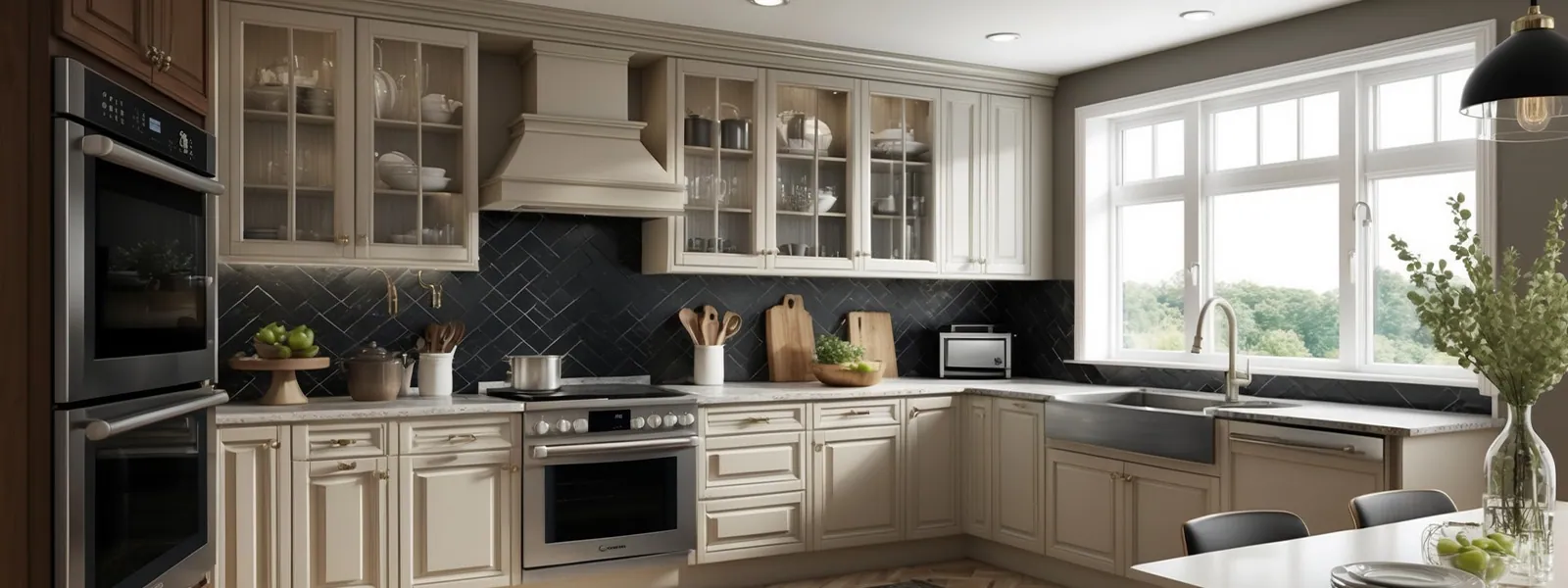
European Style Kitchen Design Elements
Clean lines and minimal ornamentation
European style kitchens skip crown molding, corbels and raised panels. Flat or slab doors, slim or hidden pulls and long runs of matching cabinets give the room a calm, orderly look, so the materials and the layout do the talking.
Materials that last
Common material choices include:
- Quartz or marble countertops
- Hardwood or engineered wood flooring
- Stainless or panel-ready integrated appliances
- Glass or ceramic backsplashes
Quartz is the lower-maintenance choice for most families. Marble looks beautiful but etches and stains, so it suits people who don’t mind some patina.
Natural light
A European style kitchen looks best with plenty of daylight. Larger windows, a skylight or glass doors help, and in a South Sound winter they make a real difference. Light cabinet colors and under-cabinet lighting carry the bright feel through the darker months.
Form and function together
In a well-planned European style kitchen, nothing is there just for looks. The layout, the drawer sizes and the appliance positions are all decided by how the kitchen gets used, and the clean look comes from that planning.
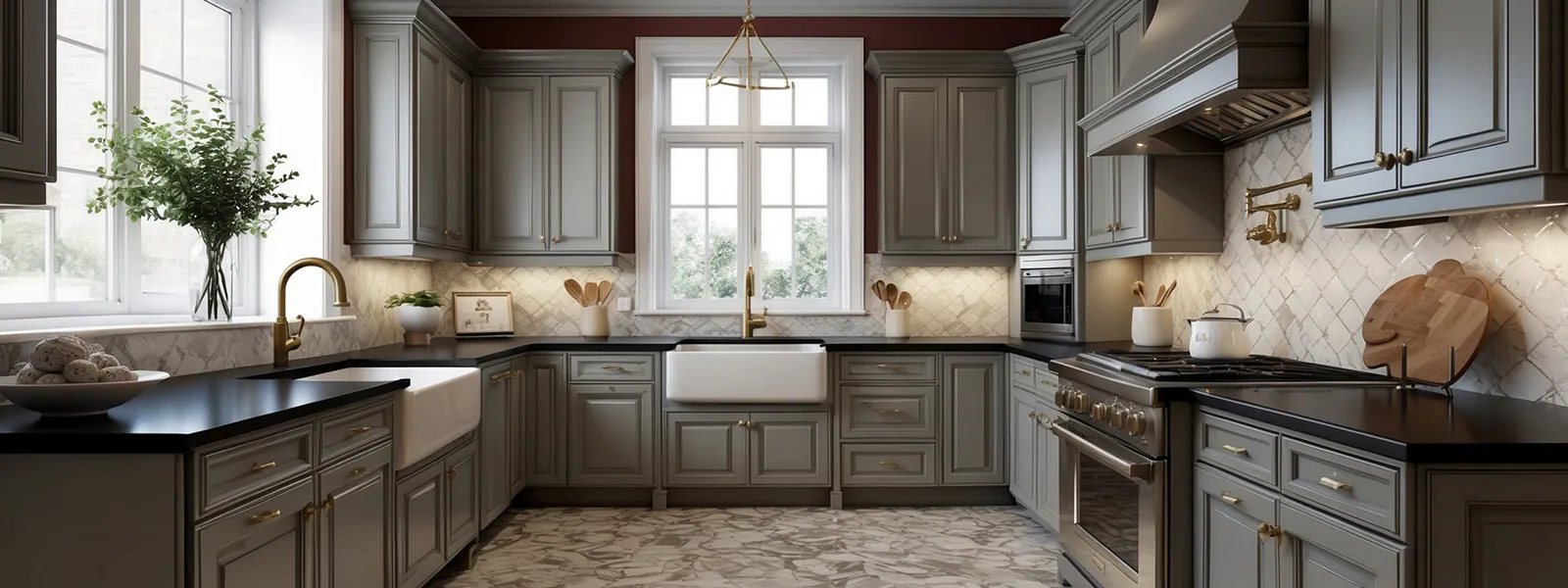
Storage and Efficiency:
Planning the Inside of the Cabinets
Custom inserts
Custom inserts fit specific items, like plates, bowls, lids or a stand mixer, so nothing gets stacked three deep. They take a bit more planning up front, but they make a medium-sized kitchen hold a lot more than you’d expect.
Corner cabinets
Blind corners are where kitchen storage goes to die. Lazy Susans, pullout trays and swing-out systems like the Magic Corner bring what’s in the back of the corner out where you can reach it.
Pullout pantries and spice racks
A tall pullout pantry next to the fridge or range holds a surprising amount, and you can see everything from both sides. Pullout spice racks sit behind a narrow door, so the kitchen keeps its clean front.
Planning for workflow
Put things where you use them: dishes near the dishwasher, pots near the range, prep tools near the sink. Keep the main walkway out of the cooking zone if more than one person uses the kitchen at once. That kind of planning is what makes a kitchen feel easy to work in.
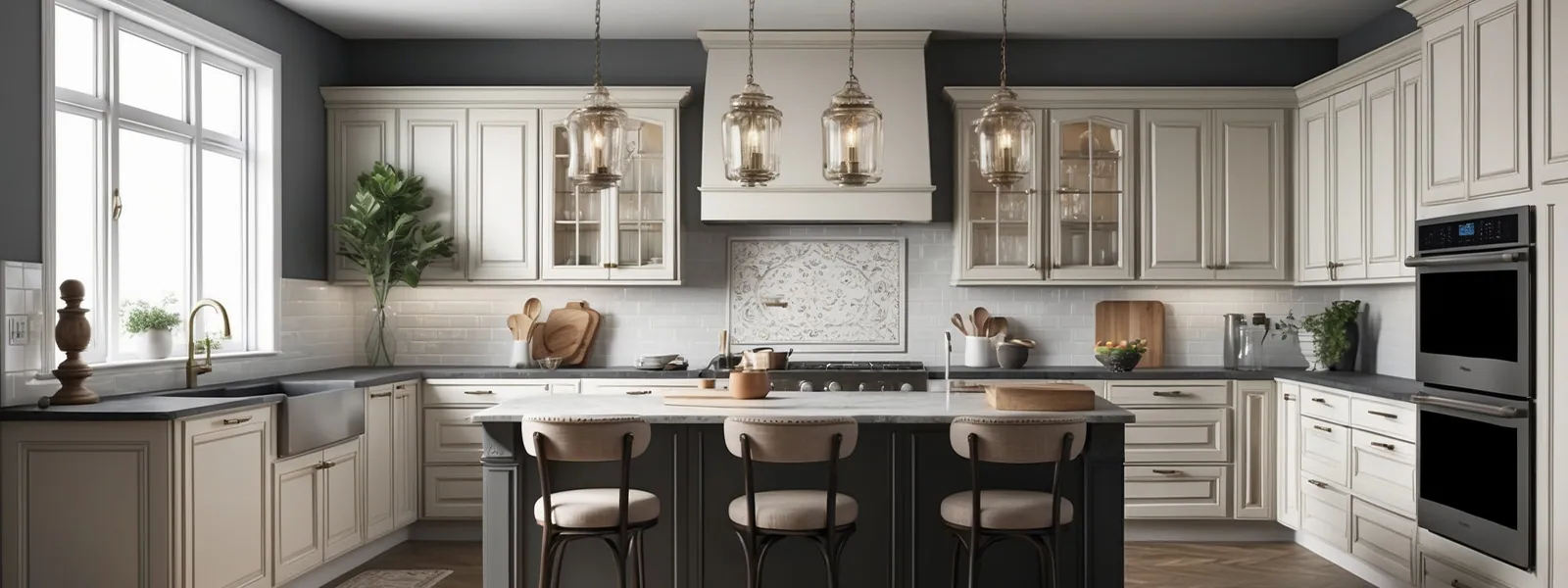
European Style Kitchen Remodeling:
Tips and Considerations
Work with someone who knows frameless cabinets
Frameless cabinets are less forgiving than face-frame cabinets. Walls and floors need to be close to flat and level, and the reveals between doors are small, so mistakes show. Choose a contractor with experience installing them. Dickey’s handles kitchen remodeling from design through install, and you can see some of our finished projects.
Set a realistic budget and timeline
Settle on a budget before you start picking finishes, and keep a contingency for surprises behind the walls, which are common in older South Sound homes. Leave time for design and for cabinet lead times, since European style and custom cabinets often take several weeks to arrive after ordering.
Choose materials and finishes
Think about durability and upkeep as much as looks. High-gloss doors show fingerprints. Matte finishes and wood veneers hide them better. Look at samples together in your kitchen’s actual light before deciding.
Plan smart technology in early
If you want smart home technology like voice-controlled lighting, touchless faucets or app-connected ovens, plan the wiring and outlets during design. Adding them after the cabinets and backsplash are in is harder and messier.
European Style Kitchen FAQs
What is a European style kitchen?
How do frameless cabinets differ from traditional cabinets?
Frameless cabinets have no face frame, so the doors attach directly to the cabinet box and cover it completely. Face-frame cabinets have a solid wood frame on the front that the doors attach to. That frame narrows the opening slightly, which means drawers in a frameless cabinet can be a little wider.
What cabinet accessories matter most in a European style kitchen?
Can I mix frameless cabinets with other design elements?
Yes. Frameless cabinets pair well with many countertops, backsplashes and hardware styles. Wood-veneer doors, a stone counter or a textured backsplash can warm up the look so it doesn’t feel cold.
Are European style kitchens more expensive than traditional kitchens?
How do I choose the right accessories for my kitchen?
Can I put frameless cabinets in my existing kitchen?
Yes. Frameless cabinets can go into most existing kitchens. Depending on the layout, the remodel may also involve moving plumbing or electrical, and uneven walls or floors may need correcting first so the doors line up.
What colors work for a European style kitchen?
Plan Your European Style Kitchen With Dickey's
A European style kitchen gets its look from clean lines and good materials, but it works because of planning: the right drawers, the right inserts and a layout that fits how you cook.
Cabinet accessories are where a lot of the value is. Custom inserts, corner pullouts and pullout pantries are what keep a minimal kitchen clear and easy to use years after the remodel.
Be realistic going in. A kitchen remodel takes weeks, cabinets have lead times, and you’ll be cooking somewhere else for a while. A clear plan and an experienced installer make that easier to live with.
Dickey’s Remodel & Repair designs and builds kitchens for homeowners in Olympia, Lacey, Tumwater and across Thurston County. Request a consultation and we’ll look at your kitchen, talk through how you use it, and give you a clear quote.