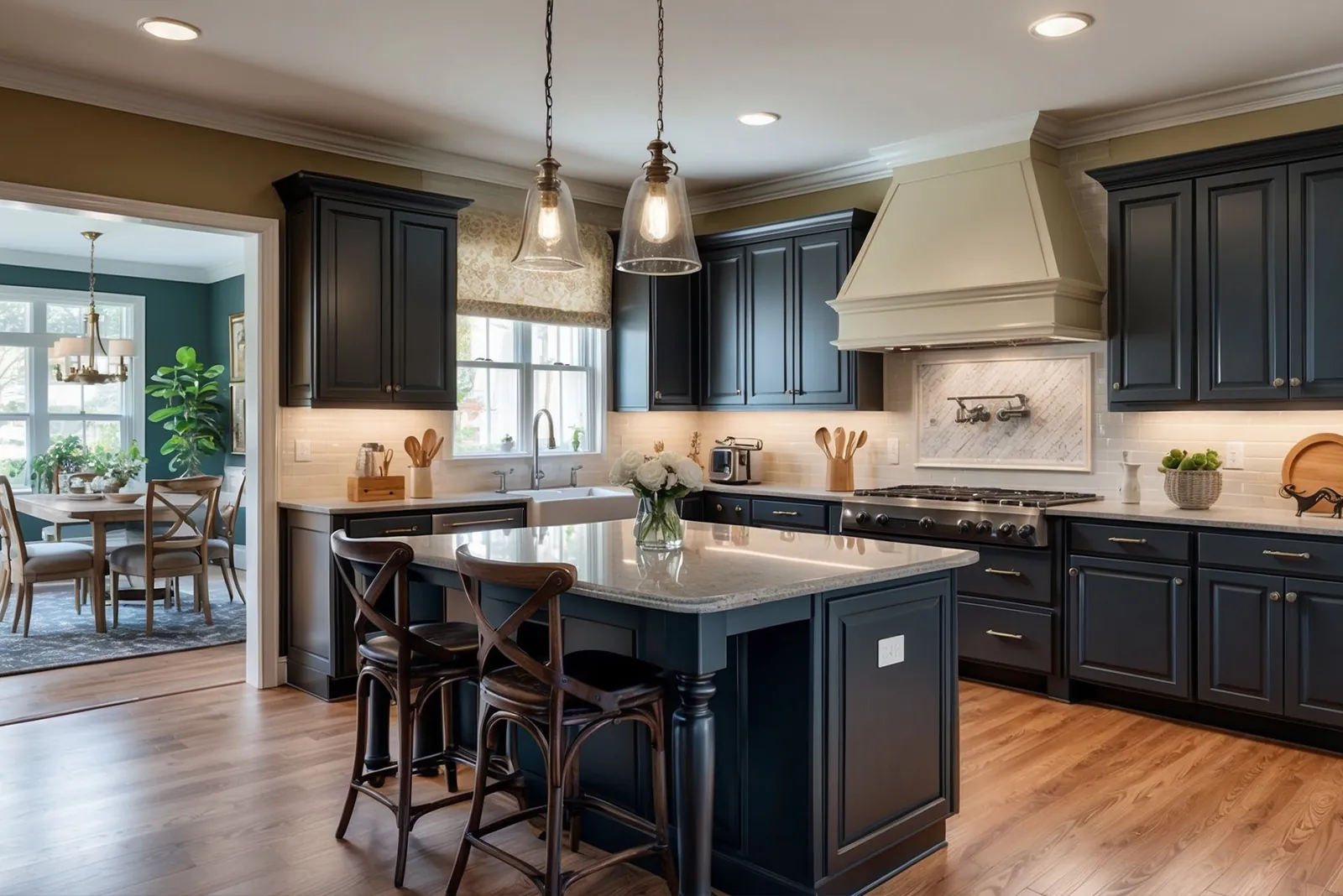
A traditional kitchen remodel pairs wood or painted raised-panel cabinets, trim details like crown molding, classic countertops, warm lighting and simple tile to create a kitchen that feels settled and lasts through trends. It suits a lot of Olympia homes, from older houses near downtown to 1990s builds that want more character than they came with.
Dickey’s Remodel & Repair designs and builds traditional kitchens for homeowners in Olympia, Lacey, Tumwater and across the South Sound. Here are the elements that make the style work, with the trade-offs to think about for each.
Natural Wood Tones in a Traditional Kitchen
Wood is the backbone of a traditional kitchen. Cherry, maple or oak cabinetry adds warmth right away, and even a painted kitchen can bring in wood through the island, open shelves or ceiling beams. Under our grey skies, warm wood tones keep a kitchen from feeling cold through the winter.
Popular Wood Choices
Each species looks and wears a little differently:
- Cherry: rich reddish-brown that darkens noticeably with light
- Maple: light, smooth and even grain, and takes paint well
- Oak: strong grain and very durable
- Walnut: deep chocolate brown, often used on an island
Trim and Detail Work
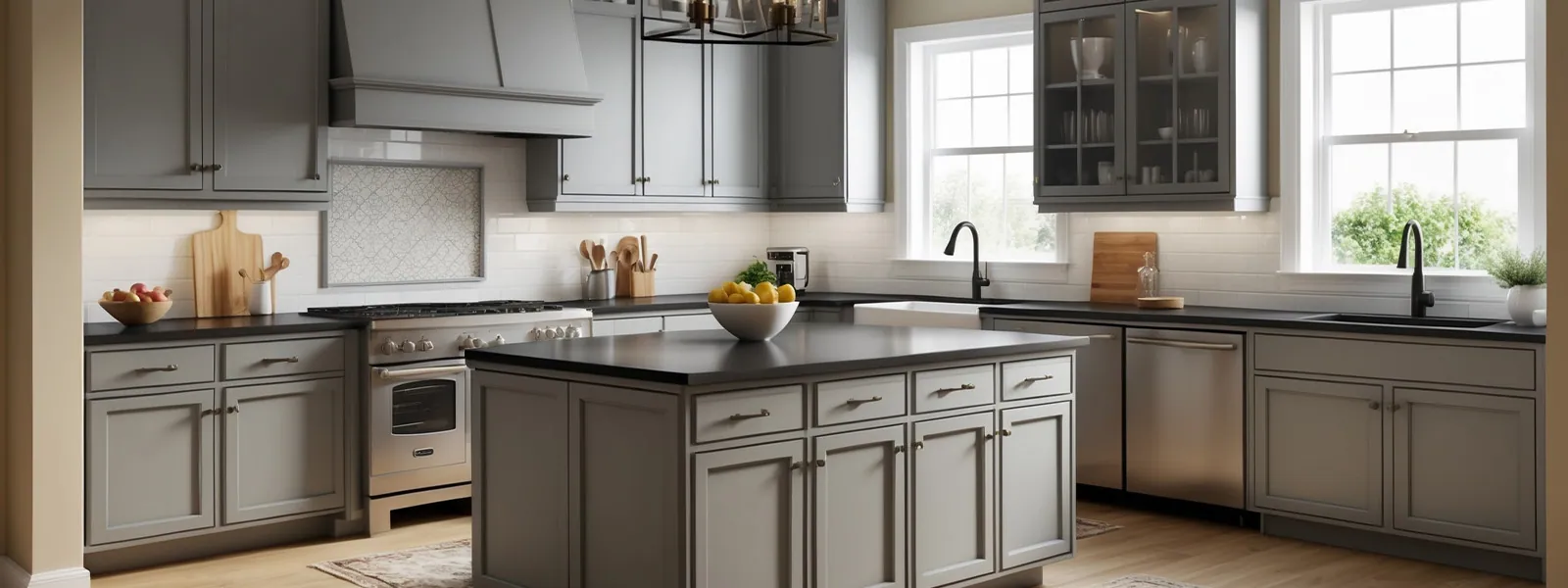
Traditional kitchens are defined by detail. Crown molding, corbels, furniture-style feet and a trimmed range hood give the room the look of built-in furniture. These details take more carpentry time to install, so choose the ones you’ll notice every day instead of adding all of them.
Decorative Elements to Consider
These details do the most to give a kitchen a traditional feel:
- Crown molding along the top of the cabinets
- Corbels under countertop overhangs
- Fluted columns or furniture-style legs on the island
- Hardware in aged brass, bronze or nickel
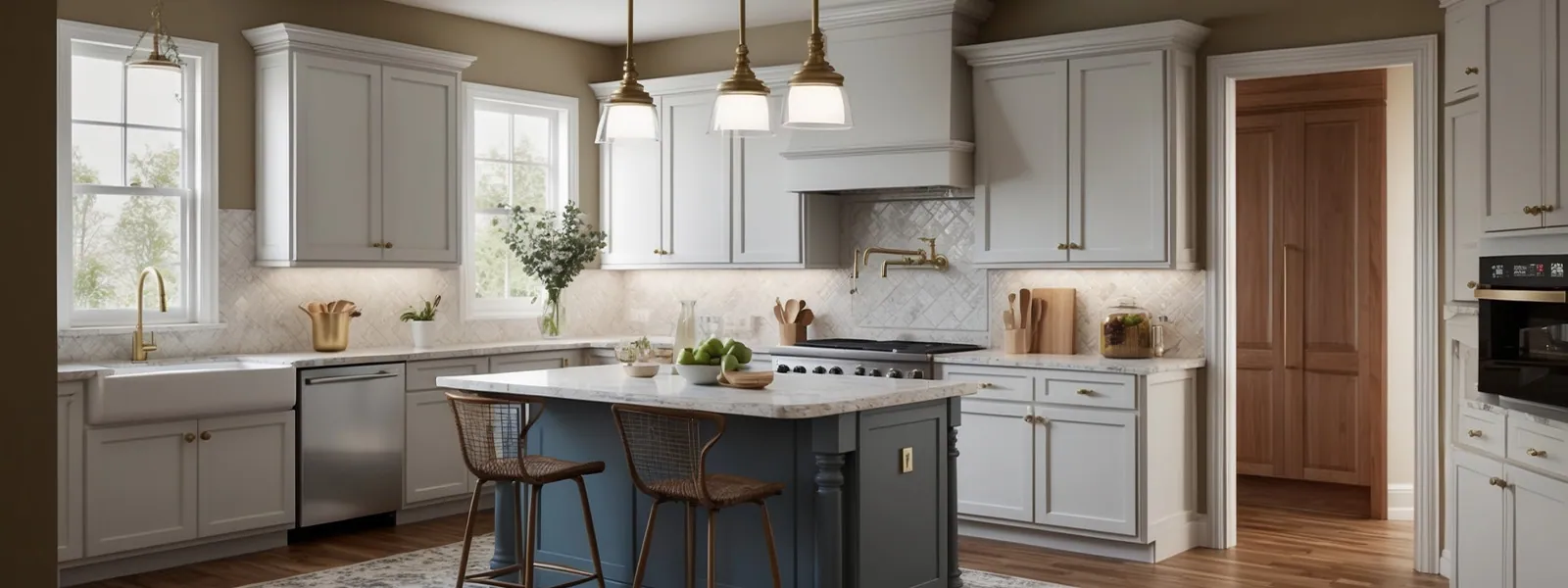
Which Countertops Suit a Traditional Kitchen?
Quartz, marble, granite and butcher block all suit a traditional kitchen remodel in Olympia. The right one depends on how hard you are on a counter. Quartz is the low-maintenance pick for busy families. Marble looks classic but etches and stains. Butcher block is warm and easy to repair but needs oiling and care around the sink.
Countertop Choices Compared
Here’s how the classic options trade off:
- Quartz: durable, consistent and low maintenance
- Marble: classic look, but it etches and needs sealing
- Granite: natural patterns, tough, needs occasional sealing
- Butcher block: warm and repairable, needs regular oiling
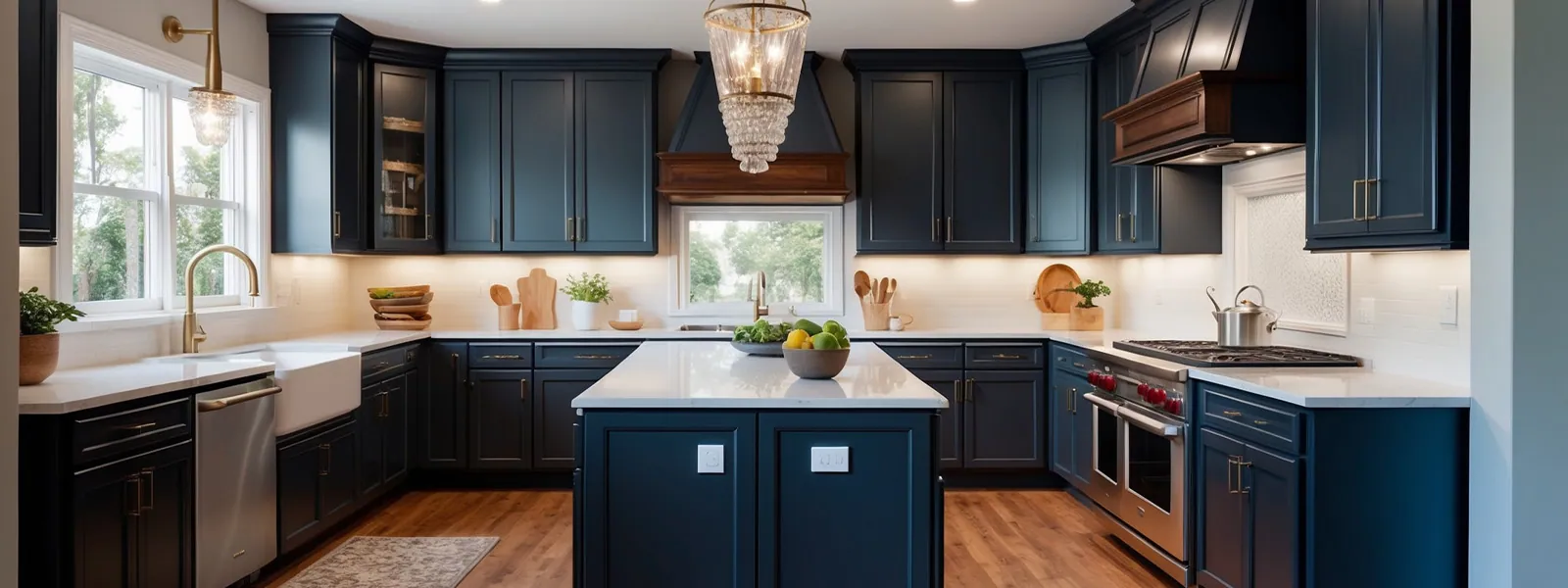
Vintage-Inspired Lighting
Lighting sets the mood in a traditional kitchen. Lantern or glass pendants over the island and a chandelier over the table give it character, while recessed and under-cabinet lights do the real work. Plan both: a kitchen lit only by decorative fixtures is too dim on a December afternoon.
Lighting Fixture Ideas
Mix decorative and task lighting:
- Lantern-style pendants
- A chandelier over the dining table or island
- Schoolhouse-style flush mounts
- Under-cabinet lighting for prep work
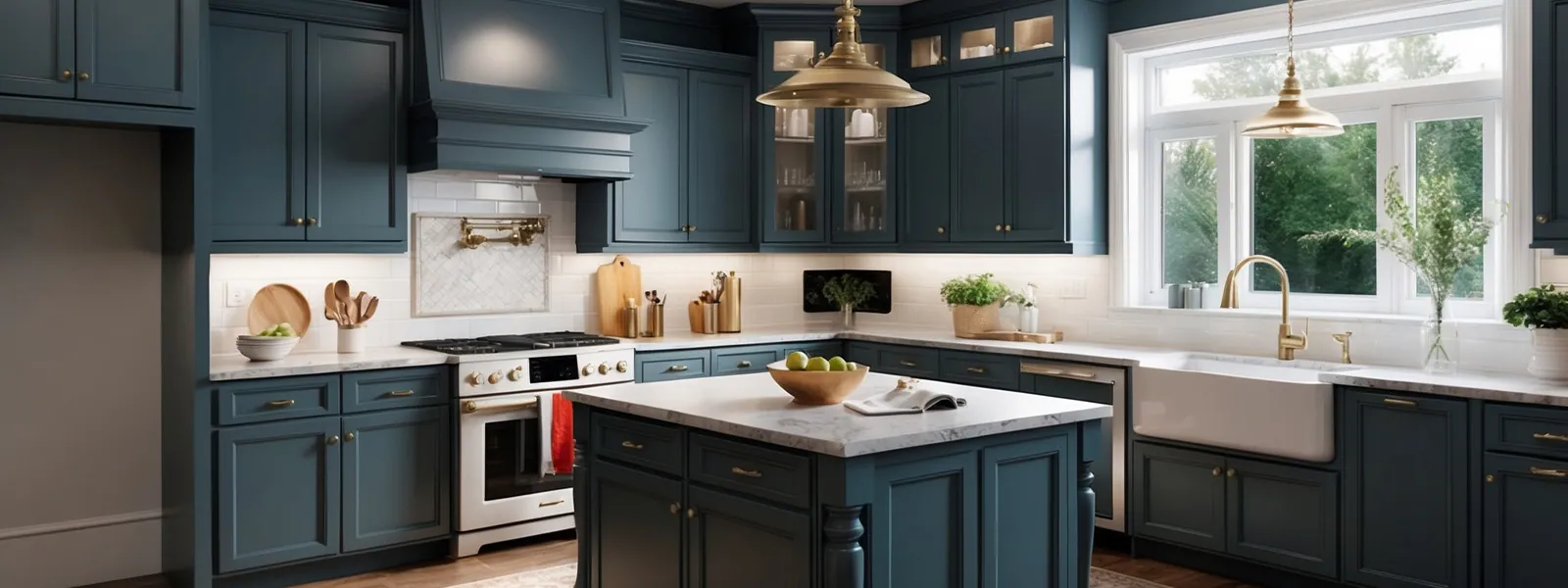
Adding a Seating Area
A traditional kitchen is usually a place to sit as well as cook. A breakfast nook or built-in banquette gives the family somewhere to eat, do homework or keep the cook company without crowding the work area.
Seating Area Elements
These elements make a kitchen seating area comfortable:
- A built-in banquette with storage underneath
- A round or oval table, which seats more in a tight corner
- Upholstered chairs or cushioned benches
- A window seat looking out to the yard
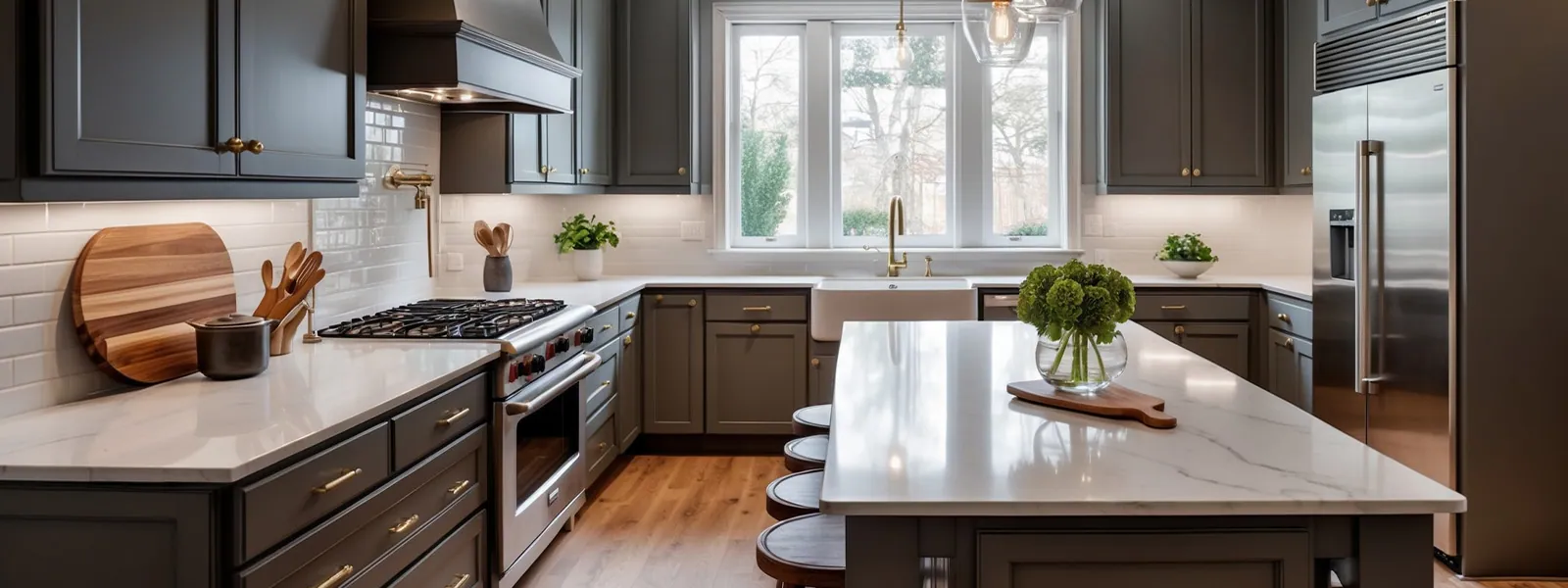
Classic Tile Work
Traditional kitchens lean on simple, classic tile. Subway tile, penny tile and patterned ceramic all fit, on the backsplash or the floor. A behind-the-range accent panel is a good place to add pattern without committing the whole wall to it.
Tile Patterns and Styles
Classic options for a traditional kitchen:
- Subway tile, straight-set or in a herringbone
- Penny tile for a vintage look
- Patterned ceramic for a focal point
- Natural stone tile for an earthy feel
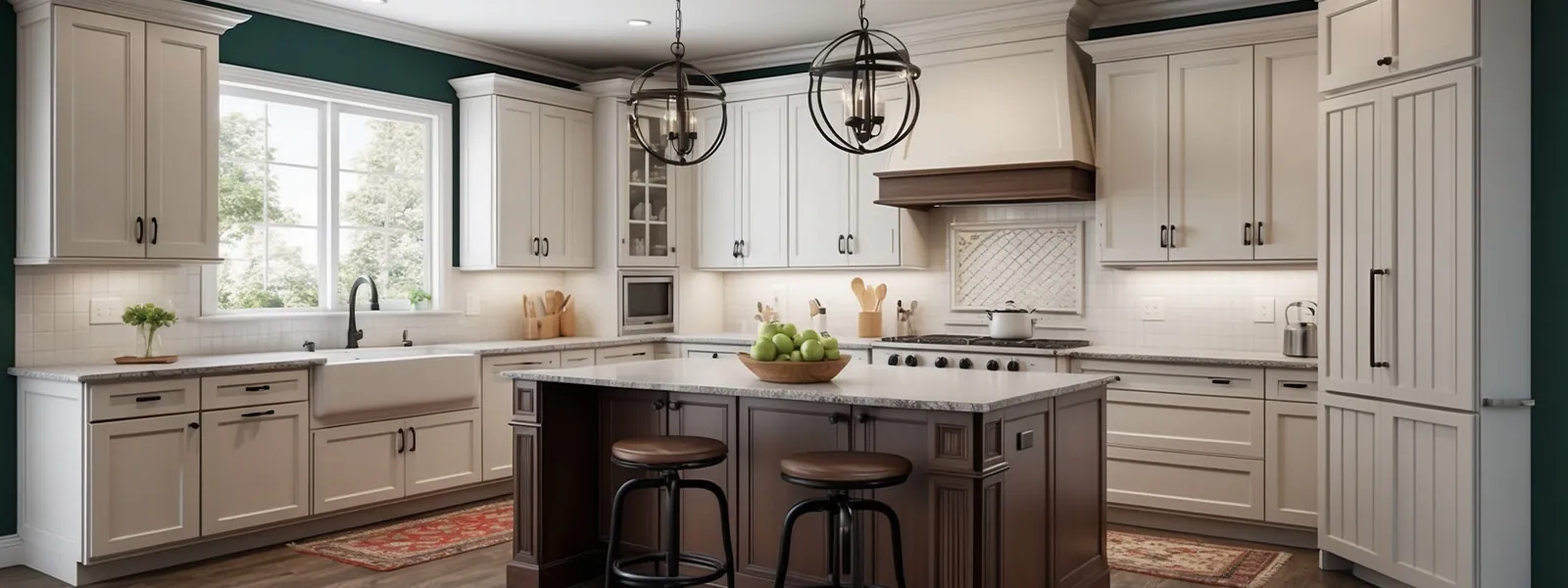
Choosing a Warm Color Palette
Traditional kitchens usually mix one or two rich colors with warm neutrals. Deep greens, navy, warm browns or a muted red pair well with cream, warm white or soft gray. Painting the island a different color than the perimeter cabinets is an easy way to add depth.
Color Combination Ideas
These combinations work well in a traditional kitchen:
- Cream cabinets with deep red accents
- Sage green walls with warm wood tones
- Soft gray cabinets with a navy island
- Warm beige walls with dark wood
Planning a Traditional Kitchen Remodel in Olympia
A traditional kitchen remodel lives or dies on the details: trim that meets cleanly, doors that line up, and finish work you can look at closely. Dickey’s Remodel & Repair handles design through construction, with one lead person on your job from start to finish. It also helps to settle your budget early; our post on why to share your remodel budget explains how that shapes the design.
Traditional Kitchen Remodel FAQs
What are the key elements of a traditional kitchen?
What wood is best for traditional kitchen cabinets?
Cherry, maple and oak are the classic choices for traditional kitchen cabinets. Cherry gives a rich reddish tone that deepens over time, maple has a smooth grain that stains or paints well, and oak has a strong grain and holds up to heavy use.
Can I mix cabinet styles in a traditional kitchen?
Yes. Glass-front uppers with solid lowers, a stained island with painted perimeter cabinets, or a mix of raised and recessed panels all add character. Keep the hardware finish or door style consistent so the mix looks intentional.
What countertops work in a traditional kitchen?
Granite, marble, quartz and butcher block all work. Quartz is the easiest to live with. Marble and granite look classic but need sealing, and marble etches. Butcher block adds warmth, often on an island, but needs regular oiling.
What lighting works in a traditional kitchen?
Use vintage-inspired pendants or a chandelier over the island or table for character, then add recessed and under-cabinet lights for real working light. Aged brass, bronze or nickel finishes suit the style.
What tile works in a traditional kitchen?
Subway tile, penny tile and patterned ceramic tile all suit a traditional kitchen backsplash or floor. A patterned accent behind the range adds interest without overwhelming the room.
What colors work in a traditional kitchen?
Warm neutrals like cream, warm white and soft gray, paired with one or two richer colors such as deep green, navy, warm brown or muted red. Wood tones on the island, floor or shelves round it out.
How do I start a traditional kitchen remodel in Olympia?
Start by listing what isn’t working in your current kitchen and setting a budget. Then request a consultation with Dickey’s Remodel & Repair. We’ll look at your kitchen, talk through layout and style, and give you a clear quote and schedule.
Plan Your Traditional Kitchen With Dickey's
A traditional kitchen remodel gives an Olympia home a kitchen that feels warm and settled and doesn’t date quickly. Wood, trim, classic counters and good lighting do most of the work. If you’re torn between styles, our post on European style kitchen remodels shows the sleeker alternative. Dickey’s Remodel & Repair builds kitchens across Olympia, Lacey, Tumwater and Thurston County. Request a consultation and we’ll help you plan a kitchen that fits your house and how you cook.